Juicy grilled chicken with lemon, ginger, and soy has a way of tasting like you worked a lot harder than you did. The marinade hits three jobs at once: it seasons all the way through, softens the meat just enough to keep it tender on the grill, and leaves behind those sticky, savory edges that taste almost caramelized where the flames kiss the chicken. When it’s done right, you get bright citrus up front, ginger warmth in the middle, and that deep savory finish from the soy.
The part that makes this version worth keeping is the balance. Lemon juice gives the chicken its lift, but there’s enough oil and honey in the mix to keep the acid from taking over. Fresh ginger and garlic bring the strongest flavor, so they need a little time to settle in the refrigerator with the chicken. A short marinate won’t hurt, but a few hours gives you the kind of flavor that reaches past the surface.
Below, I’ve included the details that matter most: how to keep the chicken from going dry on a hot grill, which cut gives you the most forgiving result, and what to change if you want to make it ahead or adapt it for another cooking method.
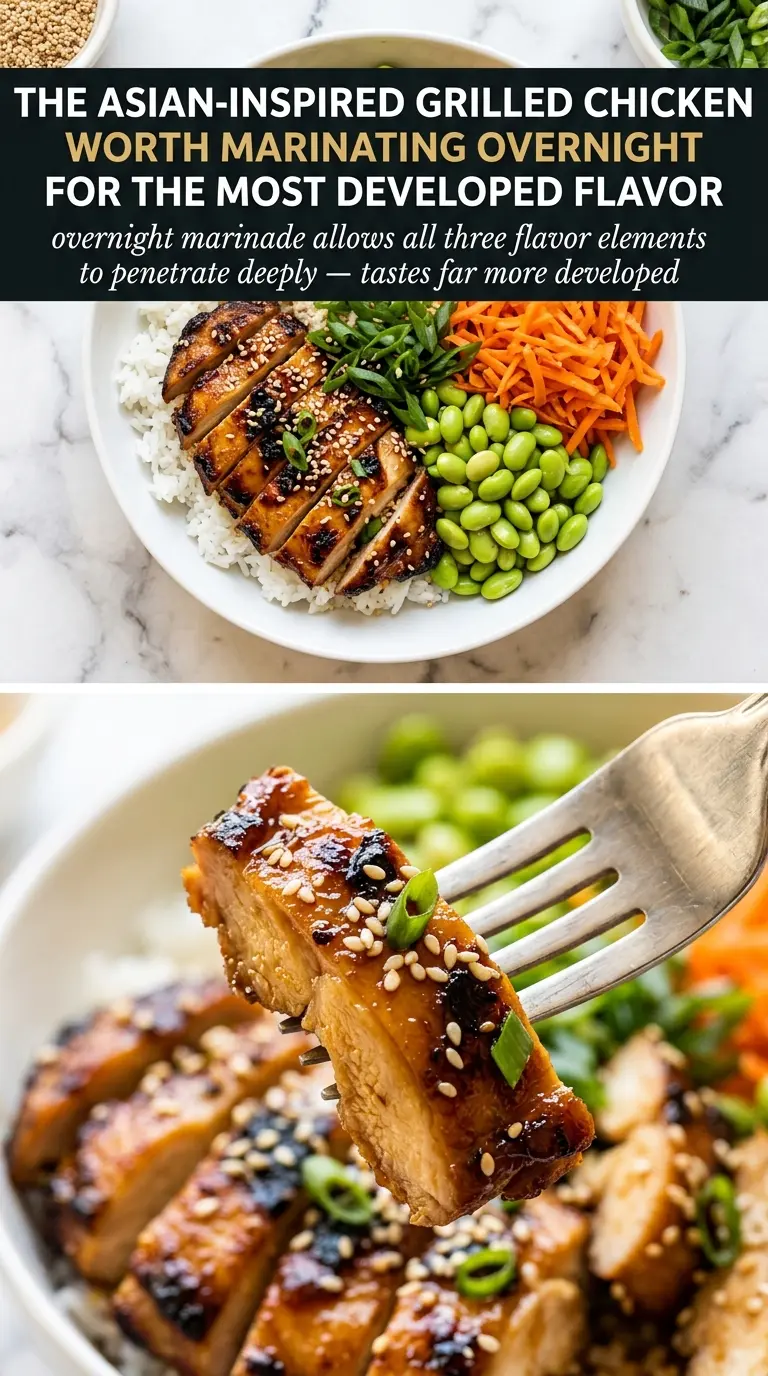
The chicken came off the grill with those little caramelized edges and the lemon-ginger flavor went all the way through. I used thighs, marinated it for four hours, and it stayed incredibly juicy.
Save these lemon ginger soy grilled chicken flavors for the nights when you want a fast marinade and juicy, charred edges.
The Marinade Needs Time to Work, Not Heat to Help It
With grilled chicken, the biggest mistake is rushing the marinade and then overcooking the meat to make up for weak flavor. Lemon juice starts working as soon as it hits the chicken, but it needs a few hours in the refrigerator to carry the ginger, garlic, and soy all the way through the meat. If you grill it too soon, the outside tastes seasoned while the center stays flat.
The other trap is leaning too hard on acid. Too much lemon time can turn the surface of the chicken a little chalky, especially with breasts. That’s why this marinade is built with oil, honey, and soy as anchors. They keep the flavor rounded and help the chicken brown instead of drying out.
- Lemon juice and zest — The juice brings the brightness, but the zest is what gives the marinade its aroma. Use both. If you only have juice, the chicken will taste sharper and less layered.
- Fresh ginger — Grated ginger matters here. Powdered ginger won’t give you the same clean bite or fragrance. Fresh ginger also plays better with the lemon and soy, which is what makes the marinade taste alive instead of flat.
- Honey — This doesn’t make the chicken sweet. It helps the surface caramelize and rounds out the salt and acid. Skip it only if you need the marinade strictly sugar-free, and expect a less bronzed finish.
- Chicken thighs vs. breasts — Thighs are the forgiving choice because they stay juicy even if the grill runs hot. Breasts work well too, but they need closer attention and benefit from pounding to an even thickness so the thinner end doesn’t dry out before the thick end is done.
What Each Ingredient Is Actually Doing in Lemon Ginger Soy Marinated Grilled Chicken
- High heat (essential for browning) — High heat creates crust and caramelization. Medium heat just cooks without developing flavor.
- Oil or fat (for browning and flavor) — The fat helps transfer heat and create crust. It also carries seasonings.
- Salt and seasoning (bold, applied before) — Season confidently. The high heat cooking mellows flavors slightly.
- No moving it around (let it sit) — The food needs time to develop crust. Constant flipping and moving prevents browning.
- Timing (watch carefully) — High heat cooks fast. Check doneness frequently to avoid overcooking.
- Optional: finishing sauce or glaze — Apply in the last minute for flavor without burning. Heavy sauces applied early can char.
- Resting time (5-10 minutes before serving) — Resting allows juices to reabsorb. Cutting right away lets them run out.
- Optional: smoke or char flavor (if available) — Wood smoke or char adds depth. Build the fire strategically for the flavor you want.
Getting the Grill Marks Without Drying Out the Chicken
Mix the marinade until it looks emulsified
Whisk the soy sauce, lemon juice, zest, olive oil, ginger, garlic, honey, sesame oil, salt, and pepper until the honey disappears and the mixture looks glossy, not separated. That step matters because the oil helps carry flavor onto the chicken and keeps the lemon from tasting harsh in one spot. If the honey is still sitting in streaks, the marinade hasn’t fully come together yet.
Give the chicken enough time, but not too much
Coat the chicken evenly and refrigerate it for 2 to 6 hours. Two hours gives you good surface flavor; four to six gives you the best balance of seasoning and tenderness. Don’t let it sit overnight in this particular marinade, especially with breasts, or the lemon can start to change the texture in a way that feels soft instead of juicy.
Grill over medium-high heat and leave the chicken alone
Preheat the grill until it’s hot enough that the chicken sizzles when it hits the grates. Cook 6 to 8 minutes per side, depending on thickness, and only turn it once if you can. If it sticks, it’s not ready to flip yet; once it has good color, it usually releases more cleanly. The chicken is done at 165°F in the thickest part, and the juices should run clear, not pink.
Rest before slicing so the juices stay put
Let the chicken rest for 5 minutes before cutting into it. That short pause keeps the juices from flooding the cutting board the second you slice. If you cut too soon, even perfectly grilled chicken can eat dry because all the moisture ends up outside the meat instead of in it.
How to Adapt the Marinade for the Cut You Have on Hand
Use thighs for the most forgiving result
Boneless, skinless thighs stay moist even if the grill gets a little hotter than planned, and they soak up the marinade beautifully. They’re the best choice when you want the most reliable texture and don’t want to watch the grill as closely.
Make it gluten-free with tamari
Swap the soy sauce for tamari in the same amount. The flavor stays deep and salty, but the marinade works for anyone avoiding gluten. Coconut aminos will also work, though the result will be sweeter and lighter in color.
Omit the honey for a lower-sugar version
You can leave out the honey if you want the marinade less sweet, but the chicken won’t brown quite as deeply. To keep some caramelization, grill a little more carefully and don’t pull the chicken off too early.
Cook it indoors when the grill isn’t cooperating
A grill pan or cast iron skillet works well if you can’t get outside. You’ll miss a little of the smoky edge, but the lemon and ginger still come through clearly. Use medium-high heat and don’t crowd the pan, or the chicken will steam instead of browning.
Storage and Reheating
- Refrigerator: Store cooked chicken in an airtight container for up to 4 days. It stays flavorful, though the grilled edges soften a little after chilling.
- Freezer: This freezes well. Wrap portions tightly and freeze for up to 2 months, then thaw overnight in the refrigerator before reheating.
- Reheating: Warm gently in a covered skillet over low heat with a splash of water or chicken broth. High heat is the mistake here; it dries out the lean pieces fast.
Questions I Get Asked About This Recipe

Lemon Ginger Soy Marinated Grilled Chicken
Ingredients
Equipment
Method
- Whisk together soy sauce, lemon juice, lemon zest, olive oil, ginger, garlic, honey, sesame oil, salt, and pepper until evenly combined, with visible ginger pieces suspended in the liquid.
- Marinate the chicken in the refrigerator for 2-6 hours, turning once so the surfaces stay coated and bright with citrus and soy.
- Preheat the grill to medium-high heat so it’s hot enough to quickly sear the chicken.
- Grill the chicken for 6-8 minutes per side until the internal temperature reaches 165°F and the exterior looks golden with aromatic char spots.
- Let the chicken rest for 5 minutes, then slice and serve so the juices settle and the texture stays tender.