Chicken shawarma hits the table with charred edges, juicy meat, and a spice blend that tastes warm, savory, and just a little smoky. The real payoff is in the contrast: crisped bits from the grill, tender marinated chicken underneath, and cool tahini and vegetables tucked into warm pita. It’s the kind of meal that feels assembled with intention, even though the work is mostly in the marinade.
What makes this version work is the balance in the marinade. Lemon gives the chicken brightness, garlic carries the savory base, and the mix of cumin, paprika, coriander, turmeric, cinnamon, and cayenne builds that unmistakable shawarma flavor without turning muddy or harsh. Boneless thighs matter here because they stay juicy under high heat and slice cleanly after resting. If you rush the marinating time, the spices sit on the surface; give it a few hours and the whole piece tastes seasoned through.
Below, I’ve included the little details that keep the chicken tender, the spice coating balanced, and the final wrap worth repeating. There’s also guidance on smart swaps and the most common questions that come up when people make shawarma at home for the first time.
The marinade was spot on and the chicken came off the grill with those crispy edges without drying out. I sliced it thin and the tahini with the pickles made the whole pita taste like takeout in the best way.
Save this Chicken Shawarma for juicy grilled thighs, warm spices, and pita wraps that come together fast once the marinade is done.
The Marinade Is Doing More Than Adding Flavor
Shawarma goes wrong when the marinade is treated like a surface rub instead of the thing that keeps the chicken tender through high heat. The lemon and olive oil don’t just season the meat; they help the spices cling and give the thighs enough protection that they can take on real char without turning leathery. That’s the difference between chicken that tastes coated and chicken that tastes deeply seasoned.
The other thing people miss is how the spice blend changes once it hits heat. Paprika and cumin bloom into something round and smoky, while turmeric and coriander bring depth without making the chicken taste heavy. Cinnamon is subtle here, not sweet, and cayenne keeps the finish lively. If the marinade looks thick and almost paste-like, that’s right where you want it.
- Chicken thighs — Boneless thighs are the best choice because they stay juicy and forgive a hot grill. Breasts can work, but they dry out faster and need tighter timing.
- Lemon juice — Fresh lemon brightens the whole dish and helps the seasoning penetrate. Bottled juice works in a pinch, but it tastes flatter, so don’t lean on it hard.
- Olive oil — This carries the spices and helps the chicken brown instead of sticking. Use a decent everyday olive oil; this isn’t the place for your most delicate finishing oil.
- Tahini for serving — Tahini is what turns this from spiced grilled chicken into shawarma. Thin it with a little water and lemon until it drizzles; too thick and it just clumps in the pita.
What Each Ingredient Is Actually Doing in Chicken Shawarma
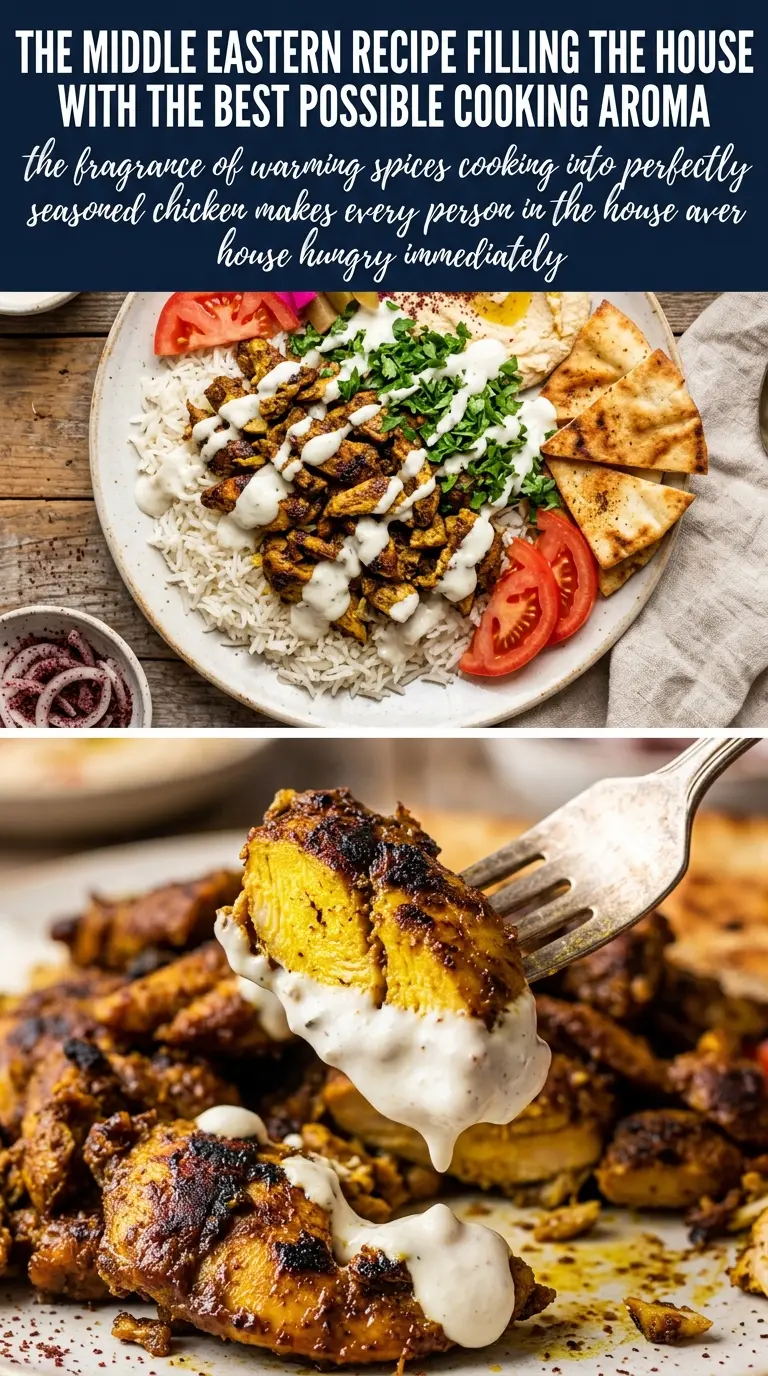
- Protein (quality, proper thickness) — Good quality protein tastes better. Even thickness ensures even cooking.
- Seasoning (bold, distributed throughout) — Don’t be shy with salt and pepper. Quality seasoning elevates everything.
- Oil or fat (protective and flavorful) — The fat helps develop crust and carries flavors. Use generously.
- Heat management (appropriate temperature for the protein) — Too high and the outside burns before the inside cooks. Too low and it steams.
- Technique (sear, then finish based on thickness) — Proper technique creates flavor. Sear for crust, then cook through gently.
- Aromatics and seasonings (garlic, herbs, spices) — These add complexity and depth. Distribute them throughout the cooking process.
- Resting time (let it rest before serving) — Resting allows juices to reabsorb. This keeps the protein moist and tender.
- Optional: finishing sauce or glaze — A light sauce adds richness without overwhelming. Apply at the very end.
Getting the Char Without Drying Out the Chicken
Mixing the Marinade Evenly
Stir the oil, lemon juice, garlic, and spices until the mixture looks uniform and the paprika no longer sits in streaks at the bottom. If the garlic clumps, it won’t coat the chicken evenly, and those little piles can scorch later. The chicken should be fully slicked with marinade, not sitting in a shallow puddle at the bottom of the bowl.
Letting Time Do the Work
Marinate the chicken for at least 4 hours, and overnight is even better. That window gives the salt and acid enough time to season the meat all the way through without making the texture mushy. If you go much past 24 hours, the lemon starts to work against you and the edges can turn a little firm.
Grilling Over Real Heat
Cook the thighs over medium-high heat so they pick up color fast before they lose too much moisture. You want a steady sizzle when the chicken hits the grates. If the grill is too cool, the meat steams and the spices turn dull; if it’s screaming hot, the garlic and paprika can burn before the inside cooks through.
Resting and Slicing Thin
Let the chicken rest for a few minutes before slicing so the juices settle back in. Then cut it thinly across the grain, which makes every bite easier to chew and helps the meat tuck neatly into pita. Slice too soon and the juices run out onto the board instead of staying in the chicken where they belong.
How to Adjust This Shawarma Without Losing What Makes It Shawarma
Make it dairy-free and naturally gluten-free
The chicken itself is already dairy-free and gluten-free, so the main thing is the serving setup. Use gluten-free pita or serve it over rice or chopped salad, and check that your tahini sauce doesn’t include yogurt if you’re keeping it dairy-free. The flavor stays intact because the spices are all in the marinade.
Use chicken breasts when that’s what you have
Chicken breasts can work, but cut them into large pieces or pound them lightly so they cook evenly. Pull them off the grill as soon as the center reaches doneness, because breasts dry out faster than thighs and don’t benefit from extra time on the heat.
Turn it into bowls instead of wraps
Skip the pita and build the shawarma over rice, chopped romaine, or cucumber salad. You still get the same spiced chicken and tahini, but the bowl format lets the charred edges stay crisp longer and makes the meal feel lighter.
Storage and Reheating
- Refrigerator: Store the cooked chicken for up to 4 days. It stays flavorful, though the exterior softens a bit once chilled.
- Freezer: The cooked chicken freezes well for up to 2 months. Cool it completely first, then freeze it in slices or whole pieces so it reheats more evenly.
- Reheating: Warm it in a skillet over medium-low heat with a splash of water or a little oil, covered loosely so it doesn’t dry out. The biggest mistake is blasting it in the microwave until the edges go tough before the center is hot.
Answers to the Questions Worth Asking
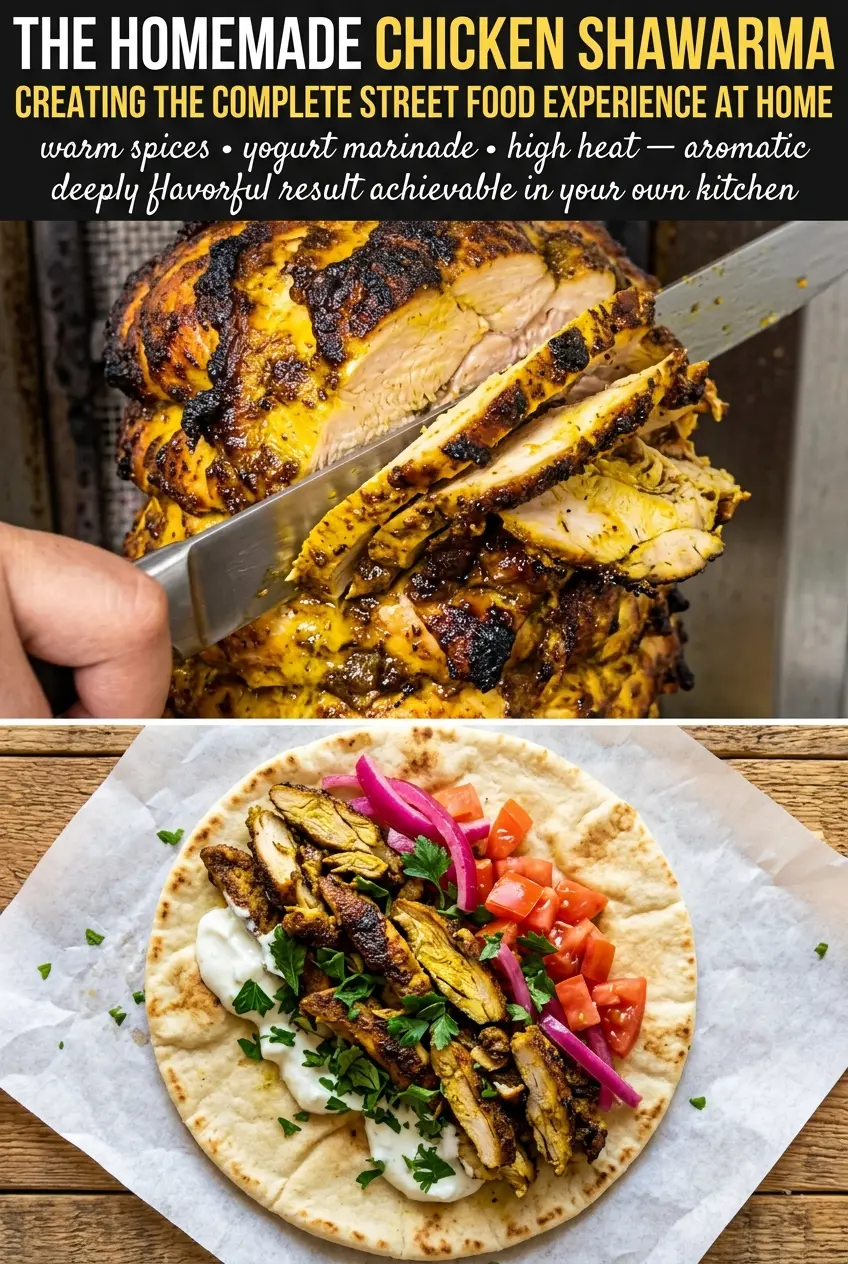
Chicken Shawarma
Ingredients
Equipment
Method
- In a bowl, mix olive oil, lemon juice, minced garlic, cumin, paprika, turmeric, coriander, cinnamon, cayenne pepper, salt, and pepper until the rub looks evenly combined.
- Add the chicken thighs and coat them thoroughly in the spice mixture so the surface is fully covered.
- Cover and refrigerate the chicken for 4-24 hours so the spices penetrate and the meat looks more saturated in color.
- Preheat a grill or grill pan over medium-high heat, then add the chicken and cook for 6-7 minutes per side until it’s deeply charred and cooked through.
- Transfer chicken to a plate and let it rest briefly, then slice thinly so the edges look slightly crisp from charring.
- Serve the sliced chicken in warm pita with tahini sauce, tomatoes, cucumbers, onions, and pickles so the pita has a fresh, layered bite.