Glossy teriyaki chicken earns its place in the weeknight rotation because it gives you a sticky, caramelized glaze without asking for much more than a bowl, a hot pan, and a little patience. The chicken picks up deep savory-sweet flavor from the marinade, then the sauce reduces into a lacquer that clings to the meat instead of sliding off. When it’s done right, the edges turn browned and a little tacky, and the center stays juicy.
The balance matters here. Soy sauce brings the salt and depth, mirin softens the sharp edges, and brown sugar plus honey help the glaze turn glossy as it hits the heat. Reserving some marinade before the chicken goes in is the move that keeps the finishing sauce clean and safe, and it also gives you a better, thicker coating at the end.
Below you’ll find the little details that keep teriyaki from turning watery or burnt, plus the best way to adapt it if you’re using thighs, breasts, or a grill pan at home.
The marinade gave the chicken that classic salty-sweet teriyaki taste, and the glaze thickened up perfectly without getting gummy. I used thighs and they stayed juicy even after basting on the grill pan.
Save these glossy teriyaki chicken thighs or breasts for the nights when you want a sticky soy glaze and fast, caramelized edges.
The Trick to Teriyaki That Browns Instead of Burning
The biggest mistake with teriyaki is putting all of the sugar-heavy marinade on the heat too early. Sugar and honey darken fast, and if the pan is too hot or the sauce is left to sit without movement, the glaze goes from glossy to scorched in a minute. That’s why this version reserves part of the marinade and uses the rest only after the chicken has already picked up some color.
Chicken thighs are more forgiving because they stay juicy while the glaze concentrates. Breasts work too, but they need a little more attention and should come off the heat as soon as they hit 165°F. If you’re grilling, a medium-high fire gives you that caramelized edge without turning the surface bitter.
- Reserve some marinade first — that gives you a clean portion to simmer into the finishing glaze. If you skip this, you’re stuck choosing between food safety and a thicker sauce.
- Watch the sugar, not the clock — the glaze is done when it coats the back of a spoon and looks shiny, not when it has cooked for a fixed number of minutes.
- Thighs are the easiest cut here — they brown beautifully and stay tender even if the heat runs a little high.
What the Marinade Is Doing Before the Chicken Hits the Heat
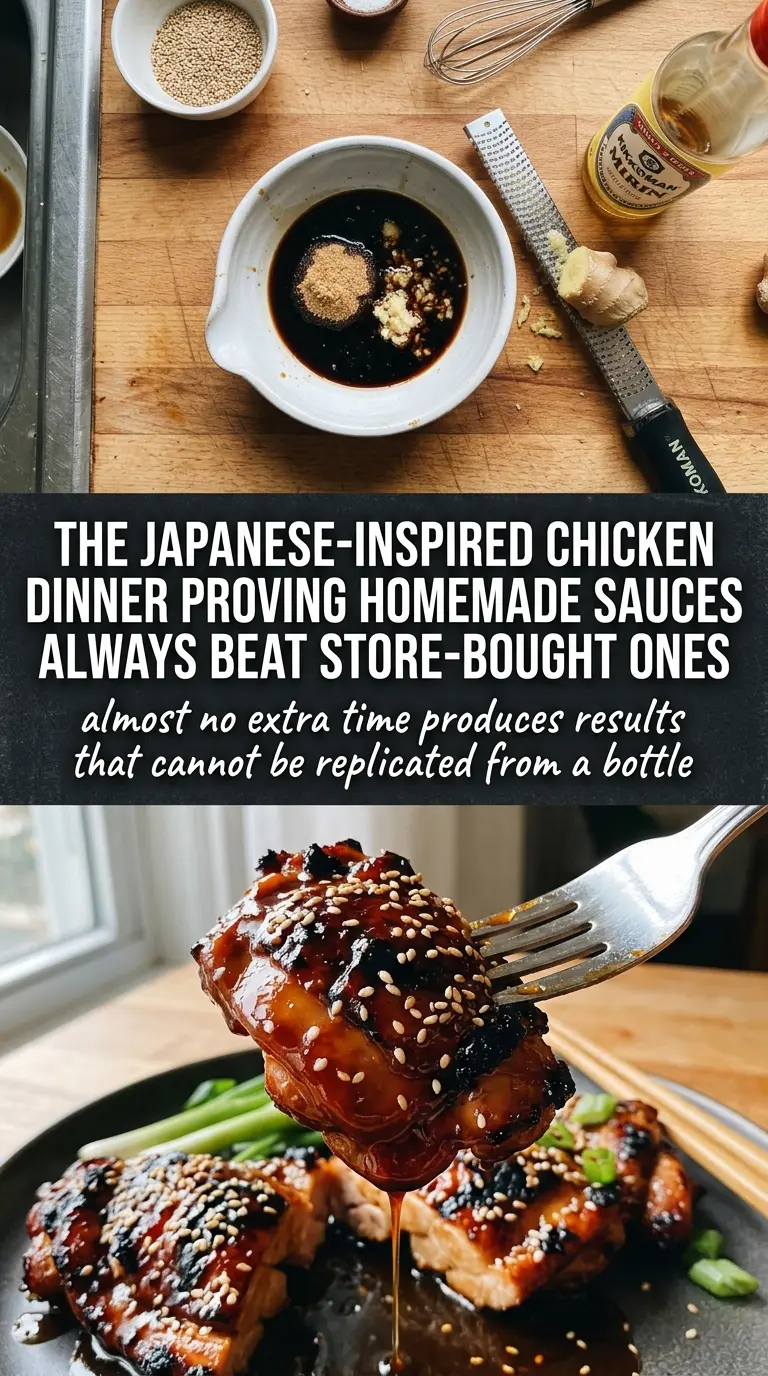
- Soy sauce — this is the backbone of the whole dish. Use a standard Japanese-style or all-purpose soy sauce for the right salt level; low-sodium works if that’s what you keep, but the glaze may need a touch more reduction to taste full.
- Mirin — this adds the gentle sweetness and shine that separate teriyaki from a plain soy marinade. If you can’t find it, use rice wine with a little extra honey, but the flavor will be a bit less rounded.
- Brown sugar and honey — these build the sticky finish. Brown sugar gives depth, while honey helps the glaze cling and caramelize; together they’re what turn the sauce into that lacquered coating.
- Garlic and ginger — fresh is worth it here. Garlic powder and ground ginger can work in a pinch, but the marinade loses the bright, aromatic edge that keeps the sauce from tasting flat.
- Cornstarch — optional, but useful if you want a thicker drizzle instead of a looser sauce. Whisk it into the reserved marinade only after the chicken is done marinating, then simmer gently until it turns glossy and lightly napes the spoon.
Building the Glaze Without Losing the Juiciness
Mixing the Marinade
Whisk the soy sauce, mirin, brown sugar, honey, garlic, and ginger until the sugar dissolves and the mixture looks smooth, not grainy. If the sugar sits in a pile at the bottom, it won’t coat the chicken evenly. Reserve part of the mixture before the raw chicken goes in, because that clean portion is what you’ll turn into the final glaze.
Marinating the Chicken
Coat the chicken and let it sit for at least 30 minutes so the surface picks up flavor. Two hours is plenty; longer isn’t better here because the salt in the soy sauce starts to work the texture in a way that can make the exterior firmer than you want. Pull the chicken from the fridge a few minutes before cooking so it goes onto the heat a little less cold.
Cooking to a Deep Brown Edge
Cook over medium-high heat until the chicken releases easily and has real color before you turn it. If it sticks, it needs another minute. Baste during the last part of cooking, not from the start, or the sugar will darken before the chicken has time to cook through. For breasts, aim for 165°F and stop there; for thighs, a little extra time is fine as long as the glaze stays glossy instead of blackened.
Finishing the Sauce
If you want a thicker glaze, simmer the reserved marinade with the cornstarch until it turns shiny and lightly thick. Keep it at a gentle simmer. A hard boil can make it look broken or overly tight. Spoon it over the chicken right before serving so it stays slick and doesn’t soak into the rice.
How to Adapt This Teriyaki Chicken for Different Nights
Use chicken thighs for the juiciest result
Thighs stay tender even if the glaze cooks a little longer, which makes them the safest choice for a sticky marinade like this. They also pick up more browned edges, so the finished dish tastes deeper and a little richer.
Make it with chicken breasts without drying them out
Breasts work if you keep the pieces even in thickness and pull them from the heat as soon as they hit 165°F. Slice them after resting so the juices stay in the meat instead of running out onto the cutting board.
Swap in gluten-free tamari
Tamari gives you the same salty depth with no wheat, and it works in the exact same amount. The flavor is slightly rounder than standard soy sauce, so the dish still tastes balanced once the sugar and honey reduce.
Cook the glaze ahead for faster dinner service
You can simmer the reserved marinade into a glaze earlier in the day, then cool it and rewarm it gently before serving. This works well when you want dinner on the table fast, but keep the heat low so the sugar doesn’t tighten into a sticky paste.
Storage and Reheating
- Refrigerator: Store leftovers in an airtight container for up to 4 days. The glaze will thicken as it chills.
- Freezer: It freezes well for up to 2 months. Freeze the chicken and sauce together in a sealed container, then thaw overnight in the fridge.
- Reheating: Warm gently in a covered skillet over low heat with a splash of water to loosen the glaze. High heat can scorch the sugar and dry out the chicken before the center is hot.
Questions I Get Asked About This Recipe
Easy Chicken Teriyaki with Marinade
Ingredients
Equipment
Method
- In a bowl, combine soy sauce, mirin or rice wine, brown sugar, honey, garlic, and grated ginger until the sugar dissolves and the mixture looks glossy.
- Reserve 1/4 cup of the marinade in a separate container for basting and thickening.
- Add the chicken to the remaining marinade and turn to coat; cover and marinate for 30 minutes to 2 hours in the refrigerator to deepen the flavor.
- Preheat the grill to medium-high heat, then grill the chicken for 6-7 minutes per side, basting frequently with the reserved marinade for a shiny coating and caramelized edges.
- If using cornstarch, simmer the reserved marinade with cornstarch until thickened, about 1-3 minutes, so it coats the back of a spoon.
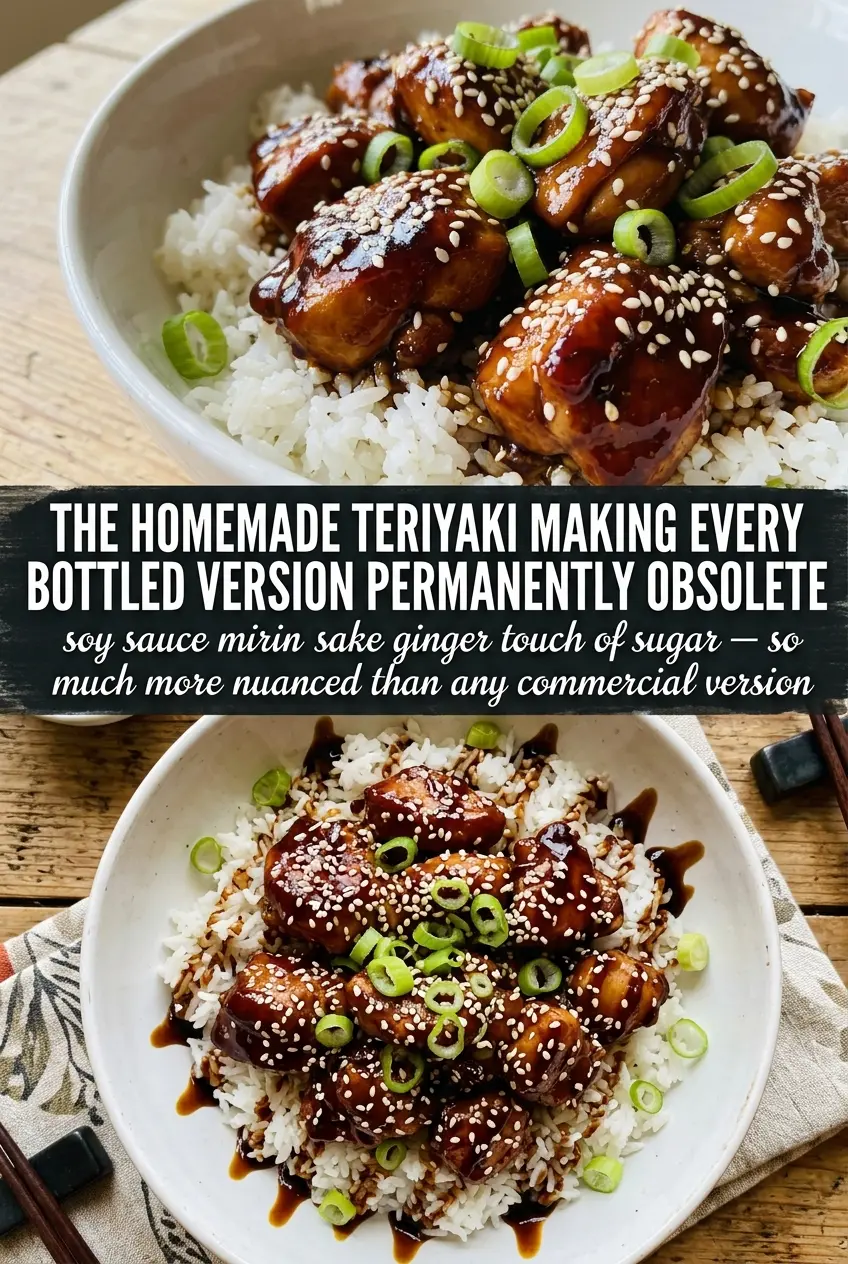
- Serve the teriyaki-glazed chicken drizzled with the glaze and topped with sesame seeds and green onions.