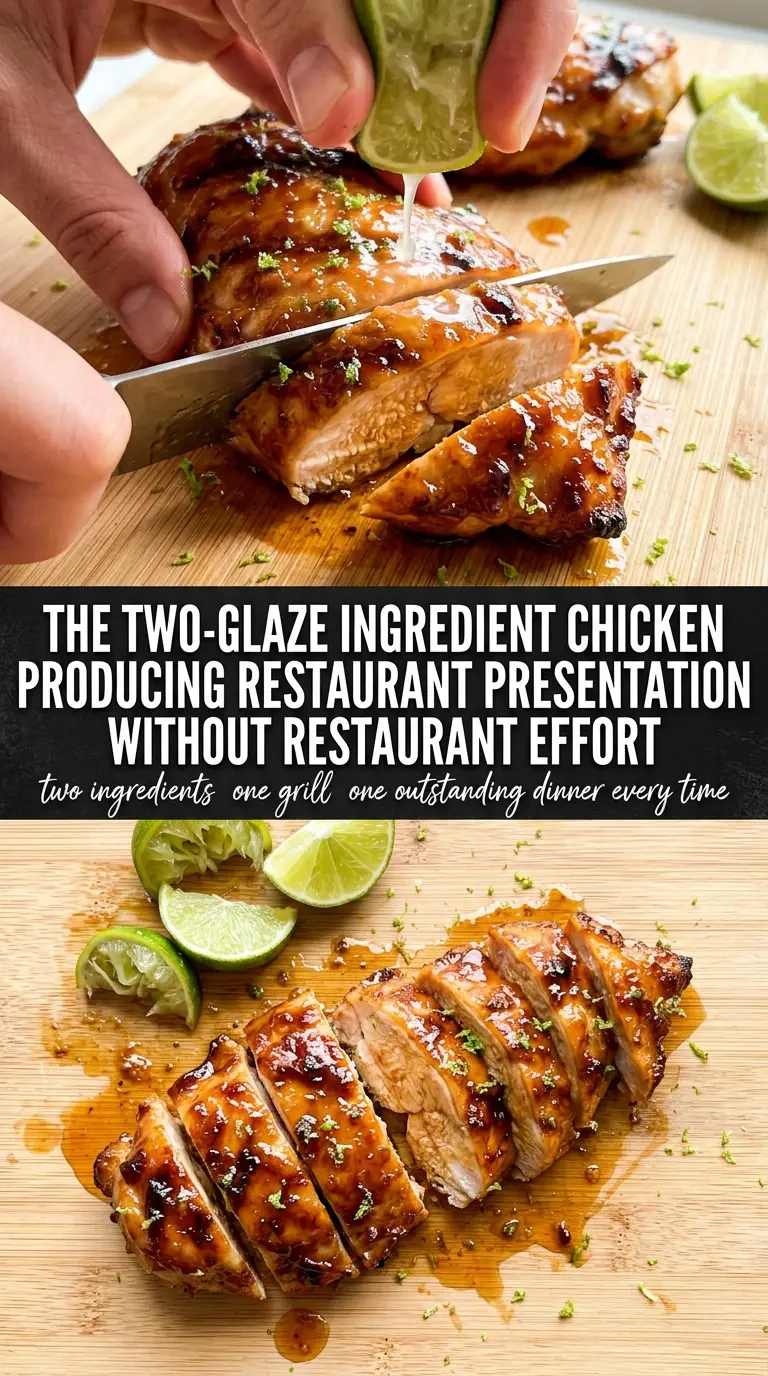
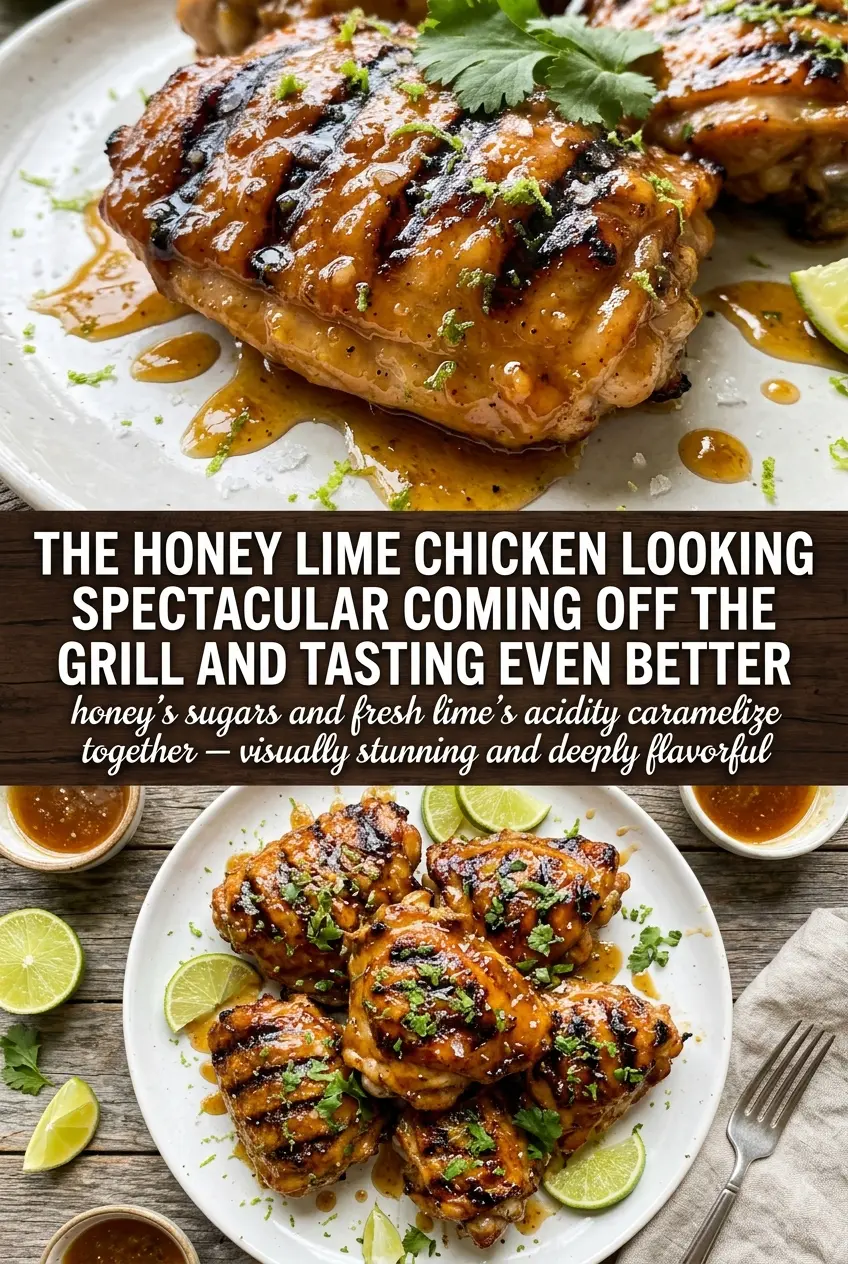
Sticky honey lime grilled chicken lands on the plate with caramelized edges, glossy glaze, and that sweet-tart bite that keeps pulling you back for another piece. The honey turns the outside lacquered and burnished on the grill, while the lime keeps the sweetness from going flat. It tastes like cookout food that got a little extra attention, which is exactly why it ends up in the rotation.
The trick is balancing the marinade so it seasons the chicken without making the glaze scorch. Honey brings the stickiness, lime brings brightness, and cumin with chili powder give the chicken a warm backbone that keeps the flavor from reading one-note. I like thighs here because they stay juicy and handle the grill well, but drumsticks work just as nicely if you keep the heat steady and turn them with a little patience.
Below, you’ll find the part that matters most: how to keep the glaze from burning before the chicken cooks through, plus the small timing details that make the difference between tacky and sticky in the best way.
The glaze got sticky and glossy without burning, and the lime kept it from tasting too sweet. I used thighs and they stayed juicy even after basting a few times on the grill.
Sticky honey lime grilled chicken with caramelized edges and a bright citrus glaze
The Part That Stops the Honey From Burning Before the Chicken Is Done
Honey is what gives this chicken its sticky finish, but it’s also the ingredient most likely to betray you on a hot grill. If the heat is too high, the sugars darken before the chicken has time to cook through, and you end up with bitter spots instead of a glossy glaze. Medium heat gives the marinade enough time to reduce on the surface while the chicken stays juicy inside.
Reserving part of the marinade for basting is what builds that lacquered look, but only if you keep it separate from the raw chicken. I always set aside the clean portion before the chicken goes in, then brush it on during the last stretch of cooking. That keeps the glaze fresh and helps the finish stay bright instead of muddy.
- Chicken thighs — Thighs are the safest choice here because the extra fat protects them from drying out and they stay tender under repeated basting. Drumsticks work too, but they need a little more turning to cook evenly around the bone.
- Honey — This is the glue in the glaze. There isn’t a true substitute that gives the same sticky finish, but maple syrup can stand in if you want a deeper, woodsy sweetness. It browns a little faster, so watch the grill more closely.
- Lime juice and zest — The juice gives sharpness, but the zest is where the real lime flavor lives. Use both, or the chicken tastes flat. Fresh limes matter here; bottled juice tastes dull and won’t lift the glaze the same way.
- Cumin and chili powder — These keep the marinade from tasting like sweet citrus glaze on its own. Cumin adds warmth, chili powder adds a soft background heat, and together they make the chicken taste seasoned all the way through.
What Each Ingredient Is Actually Doing in Sticky Honey Lime Grilled Chicken
- High heat (essential for browning) — High heat creates crust and caramelization. Medium heat just cooks without developing flavor.
- Oil or fat (for browning and flavor) — The fat helps transfer heat and create crust. It also carries seasonings.
- Salt and seasoning (bold, applied before) — Season confidently. The high heat cooking mellows flavors slightly.
- No moving it around (let it sit) — The food needs time to develop crust. Constant flipping and moving prevents browning.
- Timing (watch carefully) — High heat cooks fast. Check doneness frequently to avoid overcooking.
- Optional: finishing sauce or glaze — Apply in the last minute for flavor without burning. Heavy sauces applied early can char.
- Resting time (5-10 minutes before serving) — Resting allows juices to reabsorb. Cutting right away lets them run out.
- Optional: smoke or char flavor (if available) — Wood smoke or char adds depth. Build the fire strategically for the flavor you want.
How to Build a Sticky Glaze Without Losing the Juiciness
Mixing the Marinade
Whisk the honey, lime juice, zest, olive oil, garlic, cumin, chili powder, salt, and pepper until the honey loosens and the mixture looks uniform. If the honey clings in streaks, it won’t coat the chicken evenly. The marinade should smell bright and a little sharp, not just sweet. Reserve a clean portion before the chicken goes in so you’ve got a safe basting sauce later.
Marinating for Flavor, Not Mush
Let the chicken sit in the marinade for 1 to 4 hours. Less than an hour and the flavor stays on the surface; much longer than 4 hours and the lime can start to make the texture a little soft, especially on smaller pieces. Keep it refrigerated the entire time. Pull the chicken out just before grilling so the surface isn’t cold and wet.
Grilling Over Steady Heat
Preheat the grill to medium, then lay the chicken on the grate and leave it alone until it releases easily. If it sticks, it needs another minute. Flip it once it has those deep grill marks and the underside looks opaque around the edges. Baste during the last part of cooking, not at the start, or the sugar in the honey can scorch before the meat is done.
Finishing to a Sticky Shine
Keep grilling and basting until the chicken hits 165°F at the thickest part. The glaze should look glossy and thick enough to cling to the brush. If the outside is browning too quickly, move the chicken to a cooler part of the grill and let the heat finish the inside more gently. A short rest after grilling helps the juices settle so the glaze stays on the chicken instead of running off the plate.
How to Adapt This for a Different Grill, a Different Sweetener, or a No-Dairy Plate
Use boneless chicken thighs for faster cooking
Boneless thighs cook faster and are easier to serve, but they don’t give you quite the same dramatic grill look as bone-in pieces. Watch them closely and start checking early, because they can go from juicy to dry faster once the glaze tightens up.
Swap in maple syrup for a deeper sweetness
Maple syrup makes the glaze a little darker and less floral than honey, with a rounder finish. It works well if you want a more earthy profile, but it also browns faster, so keep the grill at medium and pay attention during the last few minutes.
Make it dairy-free without changing a thing
This recipe is naturally dairy-free as written, which makes it easy to serve a crowd without extra changes. Keep the garnish to cilantro and lime, and you’ll still get plenty of brightness and freshness on the plate.
Turn it into oven-baked chicken when grilling isn’t an option
Bake the marinated chicken at 400°F on a lined sheet pan, brushing with the reserved marinade during the last 10 minutes. You’ll lose the smoke from the grill, but the glaze still thickens nicely and the edges caramelize well if you finish under the broiler for a minute or two.
Storage and Reheating
- Refrigerator: Store leftovers in an airtight container for up to 4 days. The glaze will set a little more firmly as it chills.
- Freezer: It freezes well for up to 2 months. Wrap the chicken tightly or pack it with any sauce that collected in the pan to protect the texture.
- Reheating: Reheat covered in a 325°F oven until warmed through. The biggest mistake is blasting it in the microwave, which makes the honey coating tacky and can dry out the chicken before the center is hot.
Questions I Get Asked About This Recipe
Sticky Honey Lime Grilled Chicken
Ingredients
Equipment
Method
- Whisk honey, lime juice, lime zest, olive oil, garlic, cumin, chili powder, salt, and pepper until smooth and combined, with no visible garlic clumps.
- Reserve 1/3 cup of the marinade in a separate container for basting so it stays fresh for the grill.
- Marinate chicken for 1-4 hours, turning occasionally so the surface turns evenly glossy with the honey-lime mixture.
- Preheat the grill to medium heat and wait until it holds steady heat before cooking.
- Grill chicken for 7-8 minutes per side, brushing with the reserved marinade frequently so you see a light, caramelizing sheen.
- Continue grilling and basting until the internal temperature reaches 165°F and the glaze looks sticky and reduced, clinging to the chicken.
- Garnish the grilled chicken with fresh cilantro and serve with lime wedges for bright citrus at the table.