Steak, peppers, onions, and mushrooms cook together in their own little sealed packet, and that’s what gives these Philly cheese steak foil packet dinners their big payoff. The beef stays juicy, the vegetables soften without turning watery, and the provolone melts right over the top instead of disappearing into the pan. When you open the packets, you get that steamy, loaded-up dinner that tastes like it took more effort than it did.
The trick here is thin slicing and even portioning. Sirloin cooks fast, which is what you want, but it also means the vegetables need to be cut into similar sizes so nothing finishes mushy while something else is still tough. Worcestershire sauce adds that savory, beefy depth that keeps the packets from tasting flat, and the foil does the heavy lifting by trapping steam while still letting the edges of the steak pick up a little grill flavor.
The steak stayed tender and the peppers still had a little bite. We opened the packets right at the table, and the cheese melted perfectly over everything.
Save these Philly cheese steak foil packet dinners for a grill-night meal with juicy steak, melty provolone, and almost no cleanup.
The Reason These Packets Stay Juicy Instead of Steaming the Beef to Death
The biggest mistake with foil packet dinners is crowding everything into one tight bundle and expecting the meat to brown like it would in a skillet. It won’t. What you get instead is trapped steam, which is fine here as long as the steak is thin, the vegetables are sliced evenly, and the packets are sealed without crushing the filling. That balance is what keeps the sirloin tender while the onions and peppers soften enough to taste sweet instead of raw.
Heavy-duty foil matters more than most people think. Thin foil can split when you flip the packets, and once steam escapes, the vegetables dry out before the cheese has a chance to melt properly. The other important piece is timing: 18 to 20 minutes over medium heat gets the steak cooked through without taking it past tender. If your slices are thick, the beef tightens up before the vegetables are ready.
What Each Ingredient Is Actually Doing in These Foil Packets
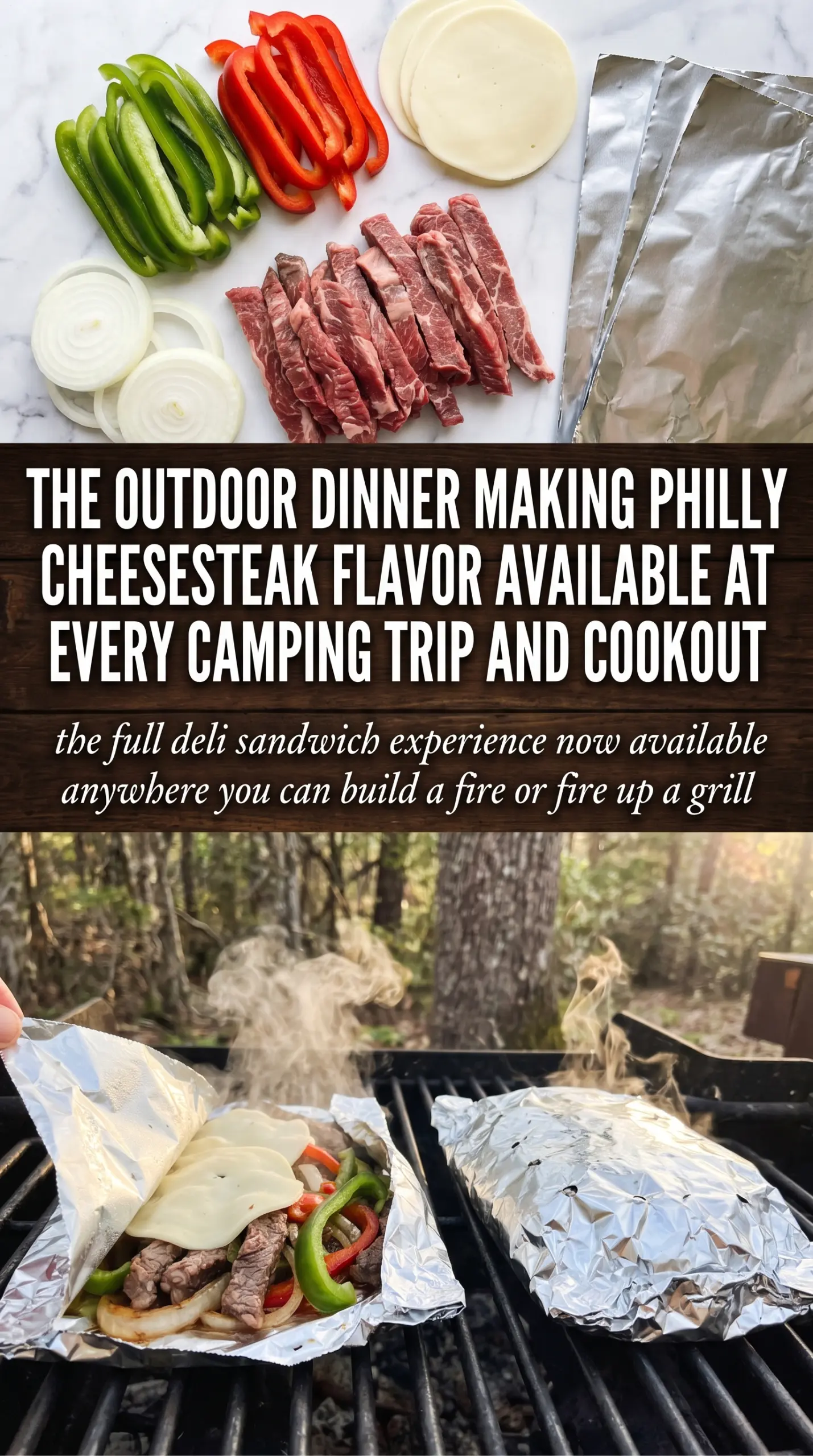
- Sirloin steak — Thin-sliced sirloin gives you enough beef flavor without needing a long cook time. Ribeye works too if you want a richer, fattier result, but sirloin is easier to keep tender in the packet.
- Bell peppers, onion, and mushrooms — This mix gives you sweetness, moisture, and that classic cheesesteak-style savoriness. Slice them into similar thicknesses so they soften at the same pace; thick onion wedges will stay sharp while the peppers overcook.
- Provolone cheese — Provolone melts smoothly and gives you that familiar mild, salty finish. Mozzarella will melt fine, but it won’t taste as much like a cheesesteak. If you want sharper flavor, use half provolone and half white American.
- Worcestershire sauce — This adds the deep, beefy backbone that keeps the filling from tasting flat. Soy sauce can stand in if that’s what you have, but use a lighter hand because it brings more salt and less tang.
- Heavy-duty foil — This is part of the recipe, not just packaging. Regular foil tears too easily when you flip hot packets, especially once the steam builds up inside.
Building the Packets So Everything Finishes at the Same Time
Divide the Filling Evenly
Lay out four large sheets of foil and divide the steak, peppers, onions, and mushrooms into equal piles. Keep the piles centered so you have enough foil around each one to seal tightly without the filling touching the edges. If the packets are lopsided, the small ones overcook before the bigger ones are done, and you end up with one dry portion and one underdone one.
Season Before You Seal
Drizzle each pile with olive oil and Worcestershire sauce, then add the garlic powder, salt, and pepper. Toss the filling gently right on the foil if you want even coverage, but don’t overmix it into a paste; the steak should still look like steak. The oil helps the vegetables soften and keeps the beef from drying out while the seasonings cling to the meat instead of running to the bottom of the packet.
Seal for Steam, Not for Squeeze
Fold the foil into sealed packets with enough room for steam to circulate inside. A tight seal is important, but don’t press the foil flat against the filling or you’ll crowd the ingredients and lose the texture you’re after. Cook over medium heat for 18 to 20 minutes, flipping once halfway through. If you use high heat, the outside of the packet heats too fast and the steak can turn firm before the vegetables soften.
Open Carefully and Add the Cheese at the End
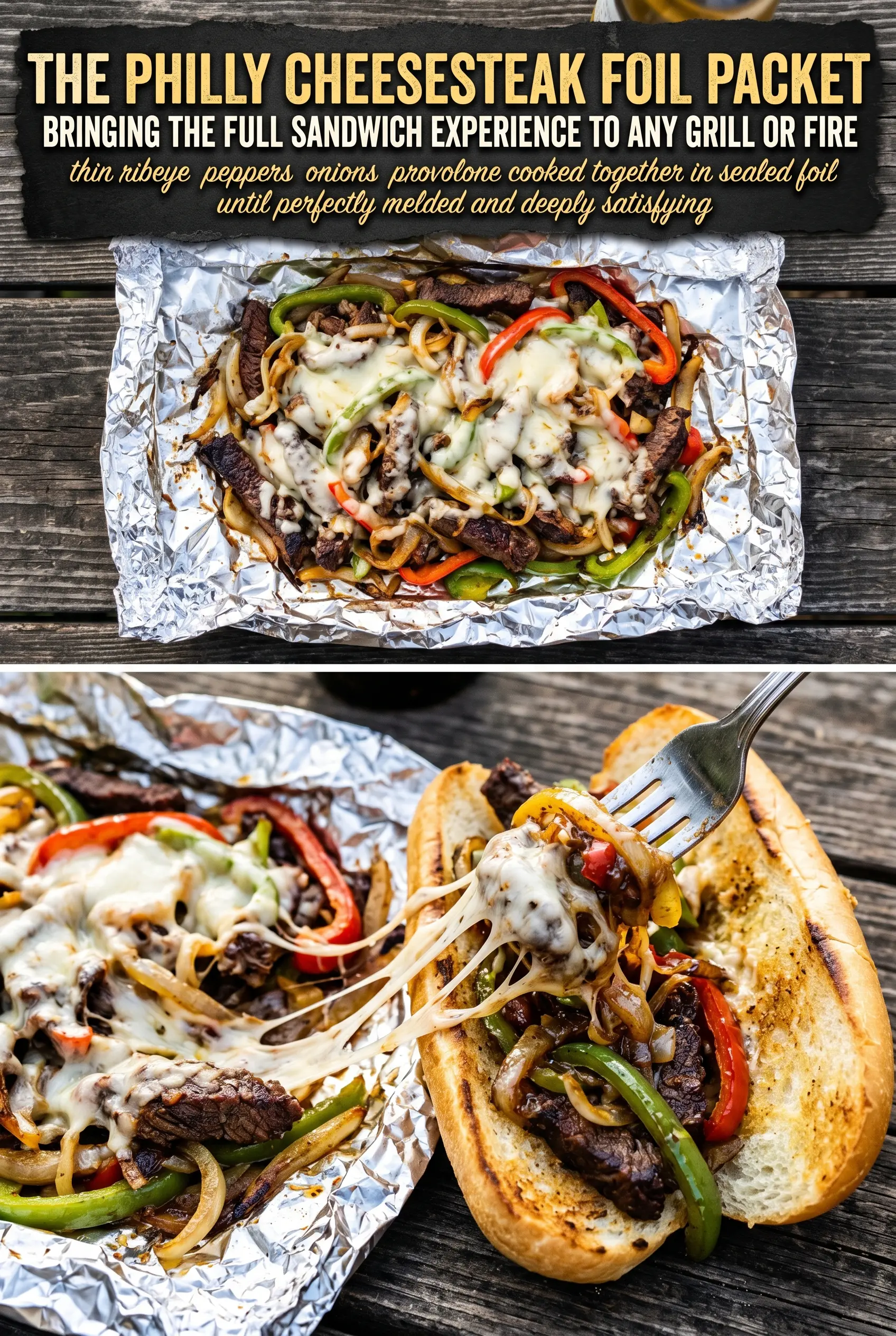
Let the packets sit for a minute before opening them, then peel the foil back slowly because the steam will hit hard. Top with the provolone right before serving so it melts from the residual heat instead of disappearing into the juices. If you open the packets too early or dump the cheese in at the start, you lose that glossy melted layer that makes the dish feel complete.
How to Adapt These Philly Cheese Steak Foil Packet Dinners for Your Kitchen
Make It Dairy-Free
Skip the provolone and finish the packets with a dairy-free melting slice or serve them as-is with extra Worcestershire and black pepper. You’ll lose the classic creamy melt, but the steak and vegetables still carry the dish on their own.
Turn It Into a Low-Carb Dinner
Serve the filling straight from the foil packets instead of piling it into rolls. You still get the full cheesesteak feel, but without the bread, the dinner stays lighter and the juices turn into a built-in sauce for the steak and vegetables.
Swap in Chicken or Sausage
Thin-sliced chicken breast or cooked smoked sausage both work here, but they change the character of the dish. Chicken cooks fast and stays mild, while sausage adds more fat and a stronger smoky finish. Adjust the cook time so the chicken is done through and the sausage is just heated and browned at the edges.
Storage and Reheating
- Refrigerator: Store the filling in an airtight container for up to 3 days. The vegetables soften a little more after chilling, but the flavor holds up well.
- Freezer: Freeze the cooked filling without the rolls for up to 2 months. Thaw overnight in the fridge; the texture will be softer after freezing, but it still works well for quick lunches.
- Reheating: Reheat gently in a skillet over medium-low heat or in the oven at 325°F until hot. Don’t blast it in the microwave on high or the steak can turn chewy before the cheese loosens back up.
Answers to the Questions Worth Asking
Philly Cheese Steak Foil Packet Dinners
Ingredients
Equipment
Method
- Divide the thinly sliced sirloin steak, sliced bell peppers, sliced onion, and sliced mushrooms among 4 large sheets of heavy-duty foil.
- Drizzle each packet with 2 tablespoons olive oil and 2 tablespoons Worcestershire sauce, distributing evenly over the fillings.
- Season each packet with garlic powder, salt, and pepper to taste.
- Top each packet with 2 slices provolone cheese so the cheese sits directly on the steak and vegetables.
- Fold the foil into sealed packets, crimping the edges tightly to keep steam inside.
- Grill the foil packets over medium heat for 18-20 minutes, flipping halfway so the fillings cook evenly.
- Carefully open the packets and serve the steaming hot Philly cheesesteak fillings in hoagie rolls or as-is.