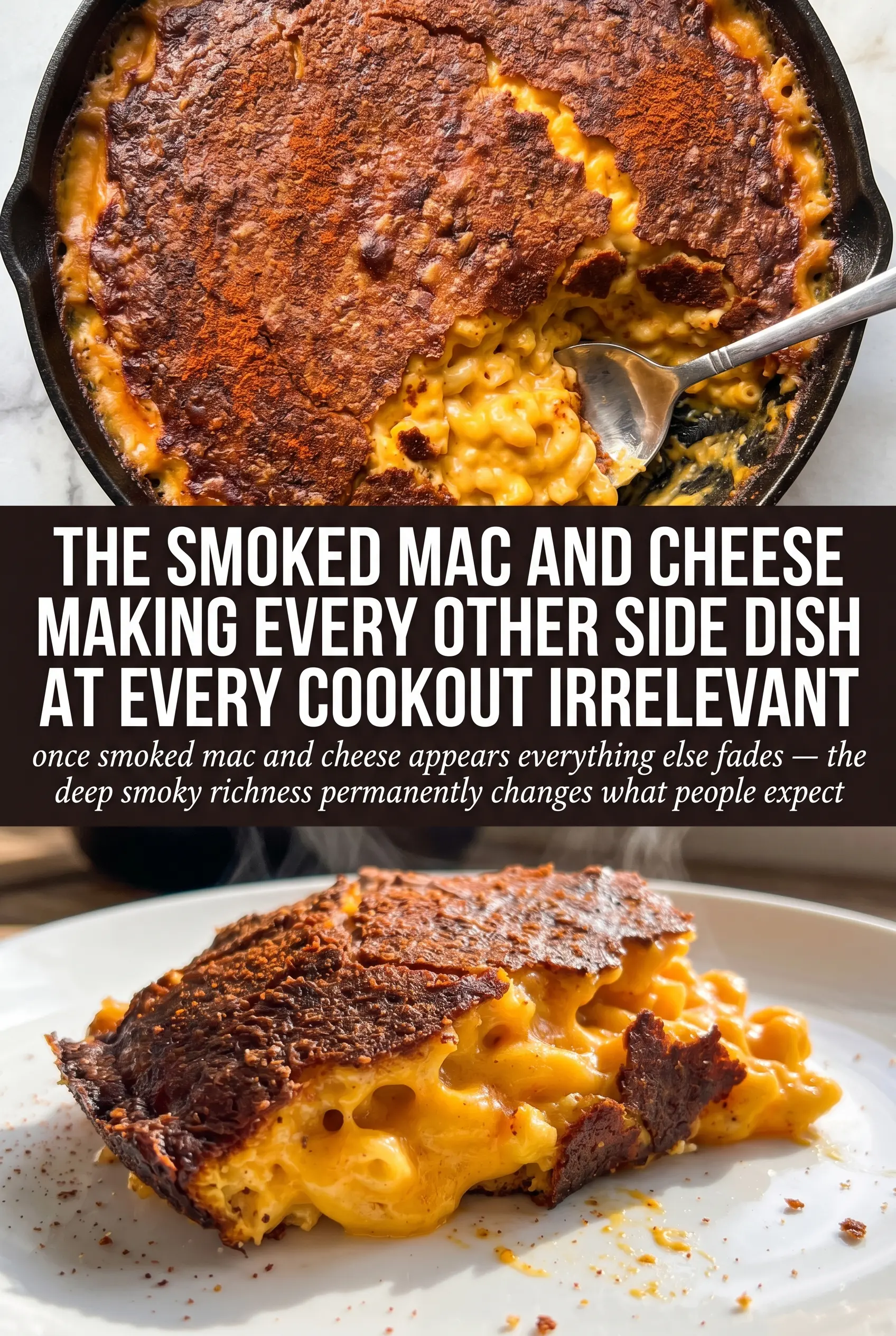
Ultra-creamy smoked mac and cheese earns its place on the table fast: tender pasta coated in a thick cheese sauce, a toasted panko top, and just enough smoke to make every bite taste like it spent time over a live fire. The crust stays crisp for a few minutes after it comes off the smoker, and the center stays spoonable instead of turning gluey or dry. That contrast is what keeps people coming back for seconds.
The trick is building a sauce that’s stable before it ever goes near the smoker. A proper roux gives the milk and cream something to cling to, and mixing in the cheese off the heat keeps the sauce smooth instead of grainy. Smoked Gouda carries the smoke flavor without making the dish taste harsh, while sharp cheddar brings the punch that mac and cheese needs. The panko topping finishes the job by giving you a little crunch against all that creaminess.
Below, you’ll find the part that matters most: how to keep the sauce from splitting, when to pull the pan so the pasta doesn’t overcook, and how to adapt this for a few common swaps without losing the texture that makes it work.
The cheese sauce stayed silky the whole time on the smoker, and that smoky top layer was the first thing to disappear at dinner.
Like this smoked mac and cheese? Save it for the next barbecue when you want a creamy smoker side with a crisp, golden panko crust.
The Part Most Smoked Mac And Cheese Gets Wrong
The mistake usually happens after the cheese goes in. If the sauce gets too hot, the fat separates and the whole pan turns grainy before it ever reaches the smoker. That’s why the roux matters here: it gives the sauce structure, which helps it stay smooth during the long, low heat of smoking.
Another problem is treating the smoker like an oven and letting the pasta sit too long. You want the noodles cooked before they go in, but not soft enough to collapse during the final 60 to 90 minutes. The smoker is finishing the dish, not boiling the pasta for you.
- Roux — This is what keeps the sauce from thinning out into cheesy milk. Cook it long enough to lose the raw flour smell, but don’t let it brown unless you want a nuttier base.
- Sharp cheddar — Use a block and shred it yourself if you can. Pre-shredded cheese often has anti-caking agents that make the sauce less smooth.
- Smoked Gouda — This adds the smoke flavor from inside the sauce, so the final dish tastes layered instead of just smoky on the outside. If you swap it, use another melty cheese with some character, like fontina, but you’ll lose that rounded smoke note.
- Panko topping — Regular breadcrumbs work, but panko gives a lighter, crunchier top that stands up better under the smoker’s heat.
What Each Ingredient Is Actually Doing In This Dish
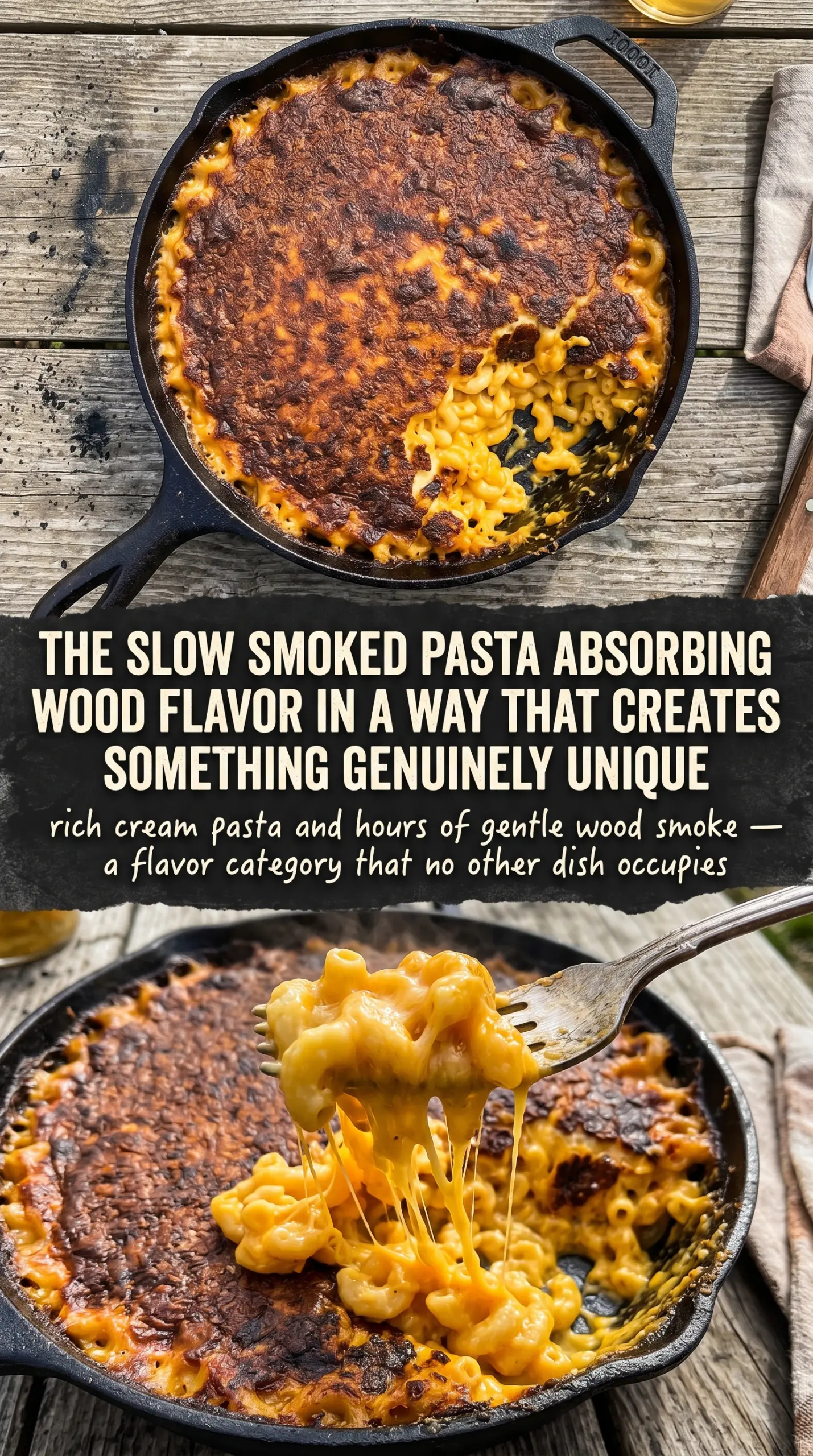
- Elbow macaroni — The curves catch the cheese sauce in every bite. Shells also work if that’s what you have, but elbows hold up especially well under smoke without turning mushy.
- Milk and heavy cream — The milk keeps the sauce from feeling heavy, while the cream gives it the rich, spoon-coating texture people expect from mac and cheese. Using all cream makes the dish taste dense instead of balanced.
- Butter and flour — These build the roux, which thickens the sauce before the cheese goes in. Skipping this step is how you end up with a pan that looks good on top but runs underneath.
- Garlic powder — It blends into the sauce without adding texture. Fresh garlic can work, but it brings moisture and a sharper edge that changes the flavor.
- Salt and pepper — The cheeses already bring salt, so season after the sauce comes together. Taste it before the pasta goes in; that’s the last point where adjustment is easy.
How to Keep the Sauce Smooth While It Smokes
Build the Roux First
Melt the butter, whisk in the flour, and cook it just until it looks smooth and slightly foamy. You’re aiming for a pale paste, not a browned base. If the roux tastes raw, the sauce will taste floury later, so give it a minute on the heat before the milk goes in.
Whisk in the Dairy Gradually
Add the milk and cream slowly while whisking so the roux can absorb the liquid without forming lumps. At first it looks thin and a little messy, then it thickens as it heats. If you dump the dairy in all at once, the roux can seize and leave you chasing clumps around the pan.
Fold in the Cheese Off the Heat
Pull the pan off the burner before the cheese goes in. Stir in the cheddar and Gouda a handful at a time until the sauce turns glossy and smooth. High heat is what breaks a cheese sauce, not time, so the pan should be warm enough to melt the cheese but not bubbling when it goes in.
Smoke Until the Edges Bubble
Transfer everything to an aluminum pan, top with the buttered panko, and let the smoker do its work at 225°F. You’re looking for bubbling at the edges, a set top, and a deep golden crust. If the surface starts to darken too fast, the smoker is running hot and the topping will burn before the center heats through.
How to Adapt This for Different Tables and Different Pantry Shelves
Gluten-Free Version
Use gluten-free pasta and thicken the sauce with a gluten-free flour blend in place of the all-purpose flour. Keep the sauce a little looser before smoking, since gluten-free pasta can absorb more moisture as it sits.
Dairy-Free Swap
Use unsweetened oat milk, a plant-based cream, and a melting vegan cheese that’s designed for sauces. The flavor changes the most here, but the texture still works if you keep the heat low and don’t rush the cheese into the pan.
Extra-Smoke, More BBQ Side Energy
Swap half the smoked Gouda for Monterey Jack if you want a milder cheese flavor and a cleaner smoke profile. The dish still tastes smoky, but the cheddar comes forward more and the finish feels a little lighter.
Storage and Reheating
- Refrigerator: Store covered for up to 4 days. The sauce will tighten as it chills, and the topping softens.
- Freezer: It freezes, but the texture gets a little grainier after thawing. If you do freeze it, portion it tightly and thaw overnight in the fridge before reheating.
- Reheating: Reheat covered in a 325°F oven with a splash of milk until hot through. The mistake people make is blasting it uncovered, which dries out the edges before the center warms up.