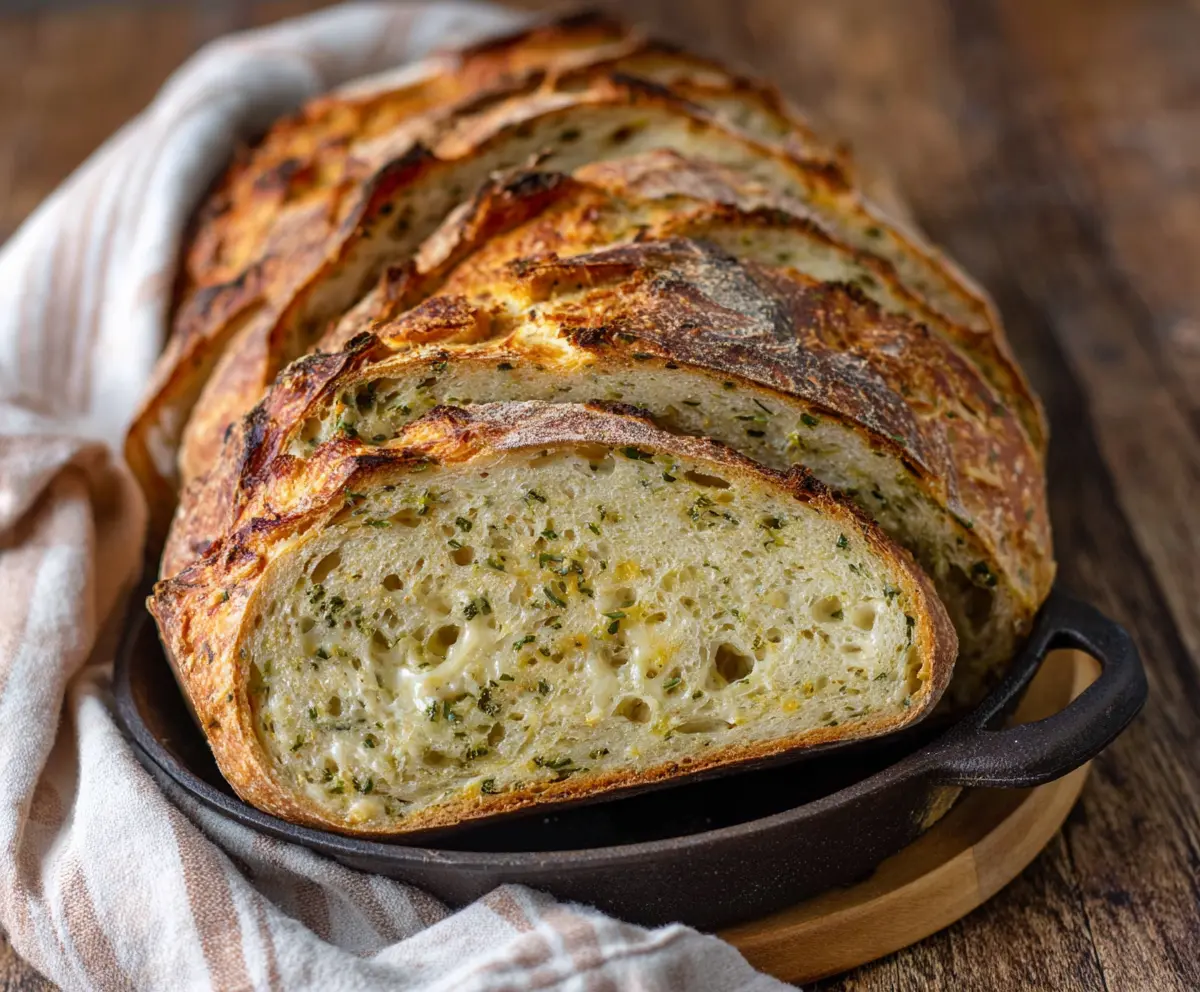
This Italian Herb and Cheese Sourdough Bread is warm, fluffy, and bursting with flavor! The tasty herbs and melty cheese make it a perfect side for any meal.
Who can resist the aroma of freshly baked bread? I could eat this every day! 😄 Pair it with soup or just enjoy a slice with some butter for a comforting treat.
Making sourdough can seem tricky, but this recipe is simple and fun! I love watching the dough rise and transform into a delicious loaf. It’s so satisfying!
Key Ingredients & Substitutions
Bread Flour: Use bread flour for the best texture since it has higher protein content, giving the bread its structure. If you’re out, all-purpose flour can work, but your bread might be slightly less chewy.
Sourdough Starter: An active starter is crucial. If you’re new to sourdough, you can purchase one online or get some from a friend. For a quicker rise, consider using a pinch of instant yeast in addition to the starter.
Cheese: Mozzarella brings that gooey texture, while parmesan adds a sharpness. If you want a dairy-free option, try vegan cheese, but consider adding nutritional yeast for a cheesy flavor.
Italian Herbs: Fresh herbs are amazing if you have them! They will enhance the flavor even more. If you can’t find a certain herb, don’t worry; adjusting the mixture doesn’t hurt! Experiment and see what you love.
How Do I Achieve the Perfect Rise in My Sourdough?
The rise is critical for a light and airy loaf. After mixing, let the dough undergo a 30-minute rest called autolyse. This helps hydrate the flour and kickstarts gluten development.
- Perform stretch and folds every 30 minutes for the first two hours of fermentation. Lift one side of the dough, stretch it up, and fold over itself. This builds strength without over-kneading.
- Make sure to cover the dough during fermentation to retain moisture and warmth, which helps the yeast do its job.
- If proofing in the fridge, ensure it rises slightly but doesn’t double in size. Cold proofing enhances flavor!
Trust the process; the waiting can be tough, but tasty sourdough bread is worth it! Enjoy your baking adventure!
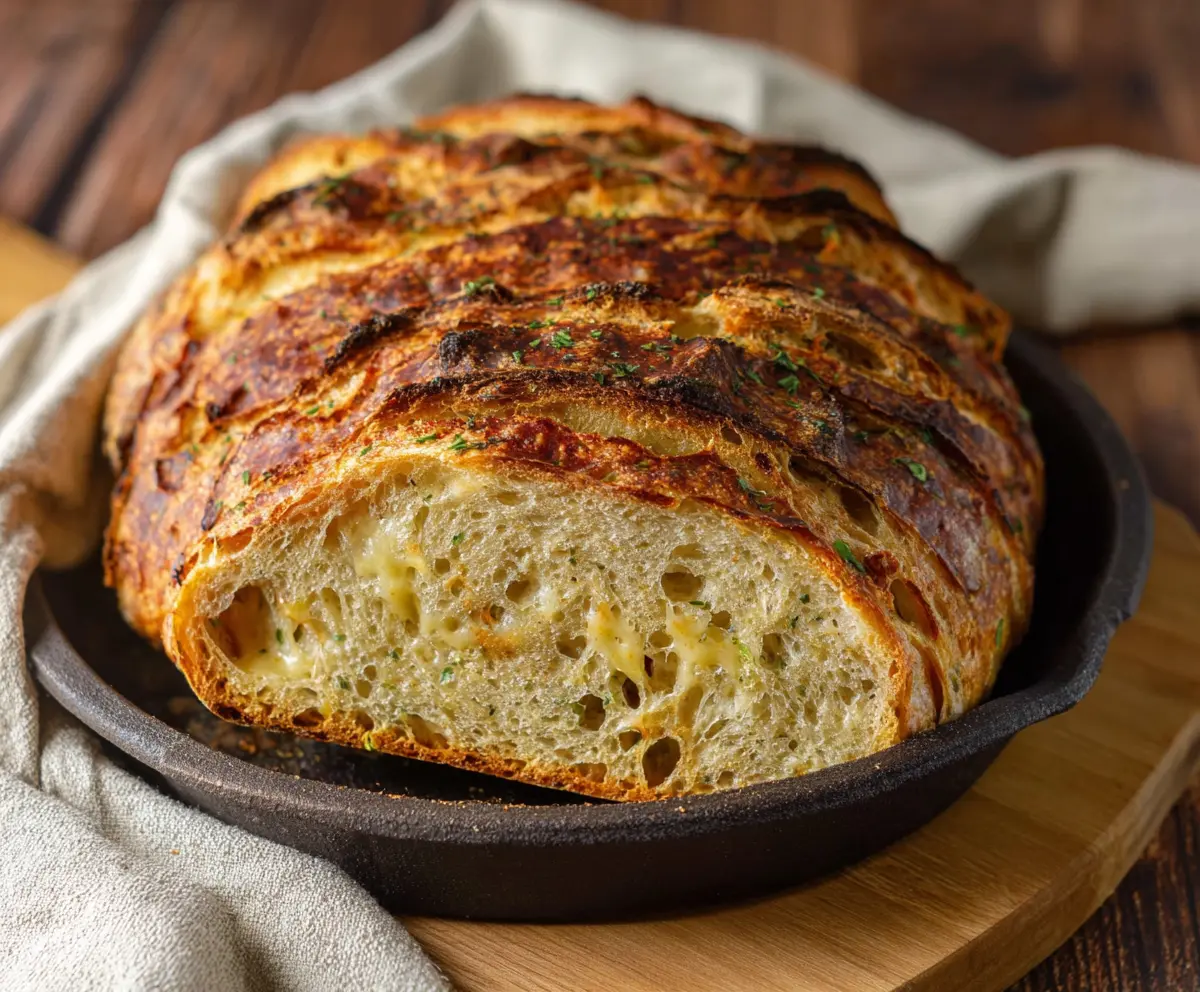
Italian Herb And Cheese Sourdough Bread
Ingredients You’ll Need:
For the Bread:
- 500g (4 cups) bread flour
- 350ml (1 1/2 cups) water, lukewarm
- 150g active sourdough starter (100% hydration)
- 10g salt
- 1 tablespoon mixed Italian dried herbs (e.g., oregano, basil, thyme, rosemary)
- 150g shredded mozzarella cheese (or a mix of mozzarella and parmesan for extra flavor)
- 2 tablespoons olive oil
- Optional: 1 tsp garlic powder for extra aroma
How Much Time Will You Need?
This recipe takes about 30 minutes to prepare, and then about 4-6 hours for fermentation, plus 8-12 hours for proofing in the fridge (or 3-4 hours at room temperature). Finally, you’ll need about 45 minutes for baking. So, while you do have to wait a bit, the fresh bread will be worth it!
Step-by-Step Instructions:
1. Start with Mixing:
In a large mixing bowl, combine the bread flour and lukewarm water. Stir it with a wooden spoon or your hand until no dry flour remains. Cover the bowl with a cloth and let it rest (this is called autolyse) for about 30 minutes. This helps the flour hydrate which is super important!
2. Add the Flavor:
After the rest period, add in your active sourdough starter, salt, mixed Italian herbs, garlic powder (if you’re using it), and olive oil. Mix everything well until you can’t see any of the separate ingredients.
3. Cheese Time:
Gently fold in the shredded cheese, being careful not to deflate the dough too much. It will be easier to work with if you do this gently.
4. Knead It Out:
Transfer the dough to a lightly floured surface and knead it gently for about 5 minutes, until the dough is smooth and elastic. You’re building strength in your dough!
5. Ferment:
Place the dough back into your bowl, cover it again with a damp cloth or plastic wrap, and let it ferment at room temperature for about 4-6 hours. Every 30 minutes during the first two hours, perform stretch and folds by gently lifting and folding the dough over itself.
6. Shape the Loaf:
After the bulk fermentation, shape your dough into a tight loaf. You can make a round (boule) or oval (batard) shape. Dust a banneton or a bowl lined with a clean kitchen towel with flour, and place your shaped dough seam side up inside.
7. Proof the Dough:
Cover the shaped dough and let it proof in the fridge overnight (8-12 hours) or for about 3-4 hours at room temperature until it has risen and looks slightly puffy.
8. Preheat the Oven:
Preheat your oven to 230°C (450°F), placing a Dutch oven or baking stone inside to heat up.
9. Score and Bake:
Once your oven is hot, carefully turn the dough out onto parchment paper. Use a sharp knife or lame to score the top of the dough in a decorative pattern to help it spring as it bakes.
10. Bake It Up:
Transfer the dough on the parchment paper into the hot Dutch oven, put on the lid, and bake for 20 minutes. This creates steam which is good for the crust!
11. Finish Baking:
After 20 minutes, remove the lid, lower your oven temperature to 200°C (400°F), and continue baking for another 20-25 minutes until the bread is deeply golden and has a nice, crisp crust.
12. Cool Before Slicing:
Remove the bread from the oven and let it cool completely on a wire rack before slicing. This is important because it allows the steam to escape, which means you get the best texture!
Enjoy warm slices of your cheesy, herb-packed sourdough bread, perfect with a drizzle of olive oil or a bit of butter! Happy baking! 🍞
Can I Use All-Purpose Flour Instead of Bread Flour?
Yes, you can, but the texture might be slightly different. Bread flour has a higher protein content, which helps create a chewier crust and a better rise. If using all-purpose flour, just be aware it might not be as sturdy.
How Do I Know When My Dough Has Finished Fermenting?
During fermentation, the dough should become noticeably puffy and may have doubled in size. A good test is to gently poke it; if the indentation springs back slowly, it’s ready. If it springs back quickly, it might need more time!
Can I Add Other Ingredients Like Olives or Sun-Dried Tomatoes?
Absolutely! Feel free to customize your loaf by adding about 100g of chopped olives, sun-dried tomatoes, or other ingredients right before shaping the dough to incorporate them evenly.
What’s the Best Way to Store Leftover Bread?
Store any leftover bread in a paper bag at room temperature for up to 3 days. For longer storage, slice the bread and freeze it in a zip-top bag. Just toast or reheat slices directly from the freezer for the best texture!