Hot buttered applesauce turns plain cooked apples into something you want to eat warm from the spoon. The butter gives the apples a round, almost caramel-like depth, while cinnamon and nutmeg make the whole pot smell like it’s been simmering all afternoon, even though it comes together fast. What you end up with is smooth, glossy, and just rich enough to taste like a real side dish instead of an afterthought.
The trick here is starting the apples in butter that’s just beginning to brown. That first minute or two builds flavor before any liquid goes in, and it keeps the apples from tasting flat. A little apple cider adds moisture without drowning the fruit, and the vanilla gets stirred in at the end so it stays fragrant instead of cooking off.
Below, I’ve included the small details that matter most: how to keep the butter from going too far, how to choose the texture you want, and what to do if your apples cook down faster than expected. Once you’ve made it this way, plain store-bought applesauce starts feeling pretty forgettable.
The apples broke down into a silky texture in about 25 minutes, and the brown butter at the end made it taste like a bakery filling. I served it with pork chops and my husband went back for seconds.
Love the buttery, cinnamon-spiced applesauce? Save this hot buttered apple sauce for the nights when you want a warm, silky side with a little brown butter on top.
The Part That Makes the Applesauce Taste Cooked, Not Watery
The biggest mistake with applesauce is adding the liquid too early and steaming the apples before they pick up any flavor. Here, the butter goes first, and the apples hit the pan while it’s just turning nutty around the edges. That quick start coats the fruit and gives the finished sauce a deeper taste than a pot of apples simmered in juice from the beginning.
Keep the heat at medium when the butter goes in, then lower it once the cider and spices are added. If the pan is boiling hard, the outside of the apples can collapse before the center softens, which gives you a thin, uneven texture. A gentle simmer is what breaks the fruit down evenly and leaves you with a sauce that looks glossy instead of loose.
What the Butter, Apples, and Spice Are Each Doing Here
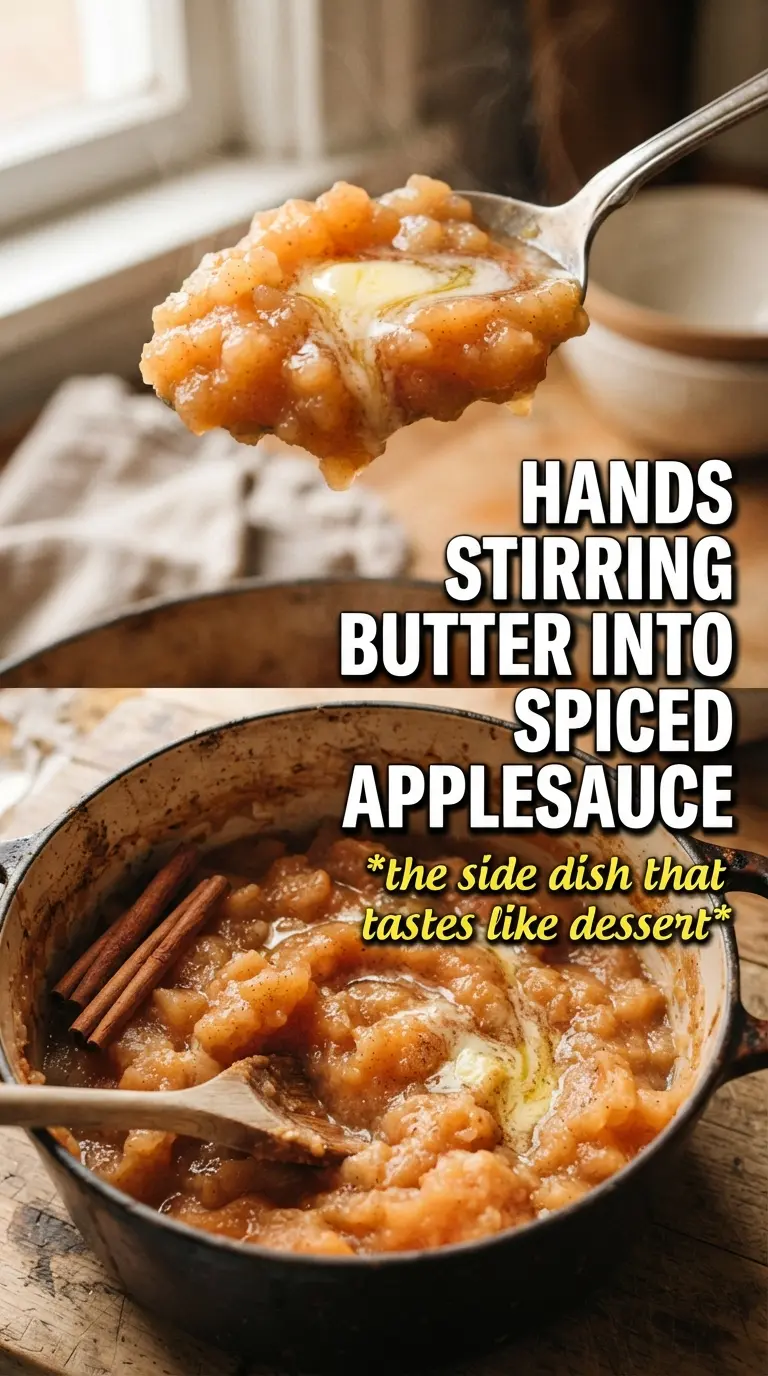
- Apples — Honeycrisp, Fuji, and McIntosh all soften into a good sauce, but they behave a little differently. Honeycrisp stays a touch brighter, McIntosh breaks down fastest and gives you a softer finish, and Fuji lands in the middle. A mix works well if you want both body and flavor.
- Butter — This is what gives the sauce its warm, round finish. Let it just start browning before the apples go in, but don’t push it too far or you’ll end up with bitter notes under the cinnamon. Unsalted butter is best because you can control the salt yourself.
- Apple cider or apple juice — Use cider if you want a deeper apple taste. Juice works too, but it’s lighter and sweeter. The liquid helps the apples steam gently once the pot is covered, so don’t skip it unless your apples are exceptionally juicy.
- Brown sugar or maple syrup — Either one sweetens the sauce, but brown sugar brings a little molasses depth while maple tastes softer and woodsy. Start with the smaller amount and taste after the vanilla goes in, since the sauce often seems sweeter once it’s fully cooked down.
- Fresh nutmeg — Freshly grated nutmeg matters here. The pre-ground kind works in a pinch, but fresh nutmeg has a cleaner, warmer aroma that stands up to the butter.
How to Cook the Apples Down Without Losing the Texture You Want
Starting the Pan
Melt the butter in a large saucepan and watch for the moment it goes from yellow and foamy to fragrant with tiny browned specks. That’s your cue to add the apples right away. If the butter gets dark before the apples go in, pull the pan off the heat for a few seconds so it doesn’t cross into burnt territory.
Building the Simmer
Once the apples are in, let them cook for a few minutes before adding the cider, sugar, cinnamon, nutmeg, and salt. You want the edges to start softening first so they can soak up the spices instead of tasting like plain boiled fruit. After you cover the pan, keep the heat low enough that you see gentle bubbling, not a rolling boil.
Finishing the Texture
Cook until the apples collapse completely, then mash for a chunky sauce or blend for a smooth one. If you want it silky, an immersion blender gives the cleanest result right in the pot. Stir in the vanilla after the heat is off; if you add it too early, the aroma fades before it reaches the bowl.
How to Adapt It for Different Tables and Different Apples
Make It Dairy-Free
Use a plant-based butter that browns well, or skip browning and melt it just until foamy if your substitute doesn’t behave like dairy butter. You’ll still get a warm, rich sauce, but it won’t have quite the same nutty depth at the end.
Use Maple Instead of Brown Sugar
Maple syrup gives the sauce a softer sweetness and a little woodland note that works well with nutmeg. Because it’s liquid, start with a bit less cider so the sauce doesn’t get too thin while it cooks down.
For a Chunkier Applesauce
Use apples that hold a little shape, like Honeycrisp, and stop cooking as soon as they’re tender enough to mash with some resistance left. A fork mash instead of an immersion blender keeps the texture rustic and gives you more of a spoonable, spoon-coating finish.
Storage and Reheating
- Refrigerator: Store covered for up to 5 days. It thickens as it chills, so don’t judge the final texture until it’s warm again.
- Freezer: It freezes well for about 3 months. Portion it into small containers so you can thaw only what you need.
- Reheating: Warm it gently on the stove over low heat with a splash of cider or water if needed. High heat can make the texture turn loose and the butter separate.
Questions I Get Asked About This Recipe
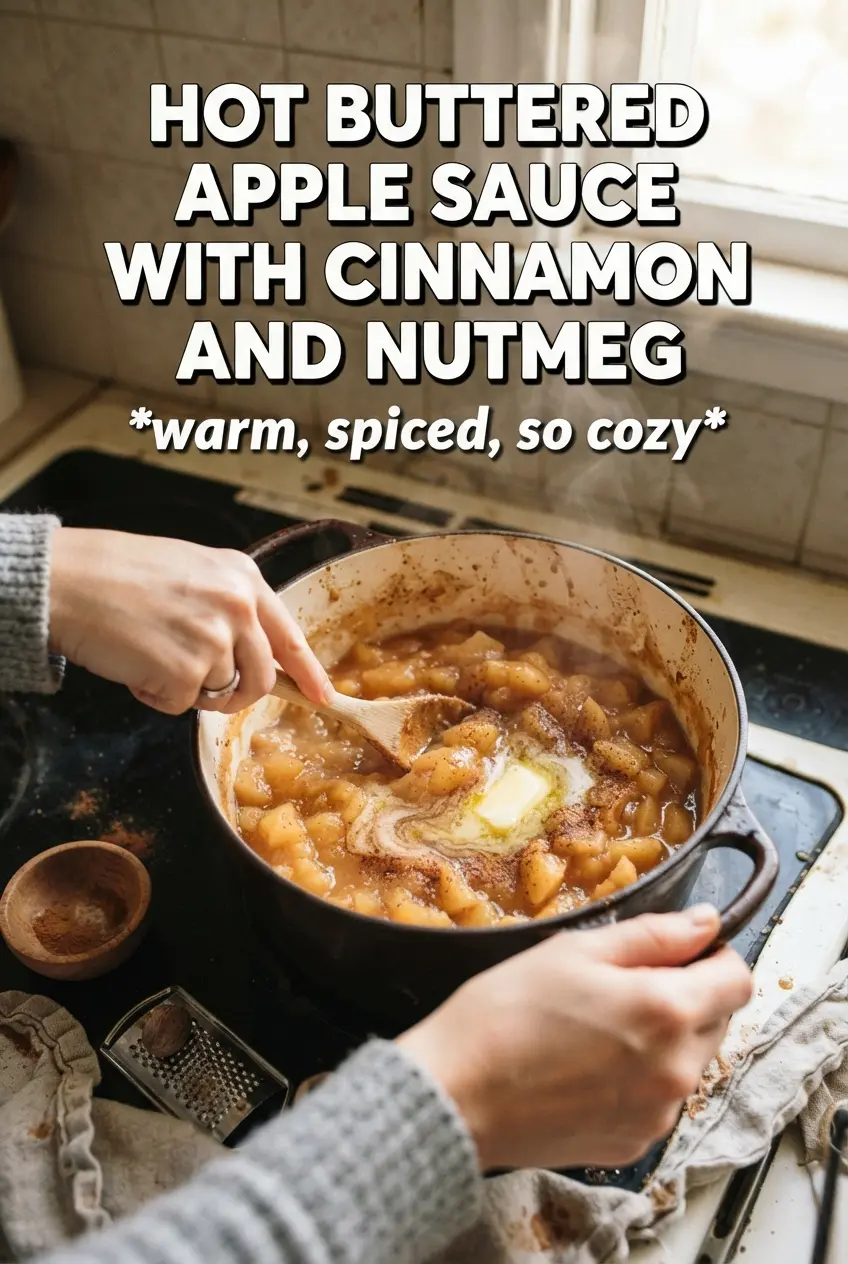
Hot Buttered Apple Sauce With Cinnamon And Nutmeg
Ingredients
Equipment
Method
- Melt the 3 tablespoons unsalted butter in a large saucepan over medium heat until it starts to brown, then add the chopped apples immediately and coat them well.
- Cook for 3-4 minutes over medium heat to begin softening the apples, stirring occasionally until glossy.
- Add the apple cider or apple juice, brown sugar or maple syrup, cinnamon, nutmeg, and salt, then bring to a gentle simmer.
- Cover and simmer at a steady simmer for 20-25 minutes, stirring once or twice, until the apples are completely soft and easily broken apart with a spoon.
- Mash the apples to your preferred texture—chunky or smooth—using the back of a spoon or masher.
- For smooth applesauce, blend with an immersion blender until silky and uniform.
- Stir in the vanilla extract, then taste and adjust sweetness as needed.
- Serve warm with an extra pat of brown butter and a dusting of cinnamon.