Key West grilled chicken hits that sweet spot between bright, smoky, and just a little sticky at the edges. The lime and orange keep the chicken tasting fresh, while the honey helps the surface char instead of drying out, so you get juicy meat under a lightly caramelized glaze. It’s the kind of grill dinner that tastes like you put in more effort than you did.
The trick is balancing acid and time. Key lime juice gives this marinade its signature tang, but it’s the orange juice and olive oil that keep the chicken from turning sharp or tough. A couple hours in the marinade is enough to season the meat all the way through without breaking down the texture. Grill it hot enough to get color, but not so hot that the honey scorches before the chicken cooks through.
Below, I’ve included the small details that matter: what to do if you only have regular limes, how to avoid a bitter marinade, and the easiest way to keep grilled chicken juicy from the first bite to the last.
The marinade gave the chicken this bright citrus flavor all the way through, and the honey helped it get those caramelized grill marks without burning. I used regular limes and it still came out juicy and balanced.
Save this Key West grilled chicken for the nights when you want smoky grill marks, citrusy marinade, and a fast tropical main dish.
The Part That Keeps Citrus Chicken Juicy Instead of Sharp
The biggest mistake with citrus-marinated chicken is treating the marinade like a sauce and letting it sit too long. Lime juice is powerful, and if you go much past six hours, the surface can start to turn mealy before it ever reaches the grill. This version keeps the acid in check with orange juice and honey, which round out the sharp edges and help the chicken brown instead of steaming.
Grill heat matters just as much as the marinade. Medium-high heat gives you color and a little char without giving the honey enough time to burn black before the inside is done. If the chicken is spitting and smoking furiously the second it hits the grate, the fire is too hot. You want active sizzling, clean grill marks, and chicken that releases on its own when it’s ready to turn.
What Each Ingredient Is Actually Doing in This Chicken Marinade
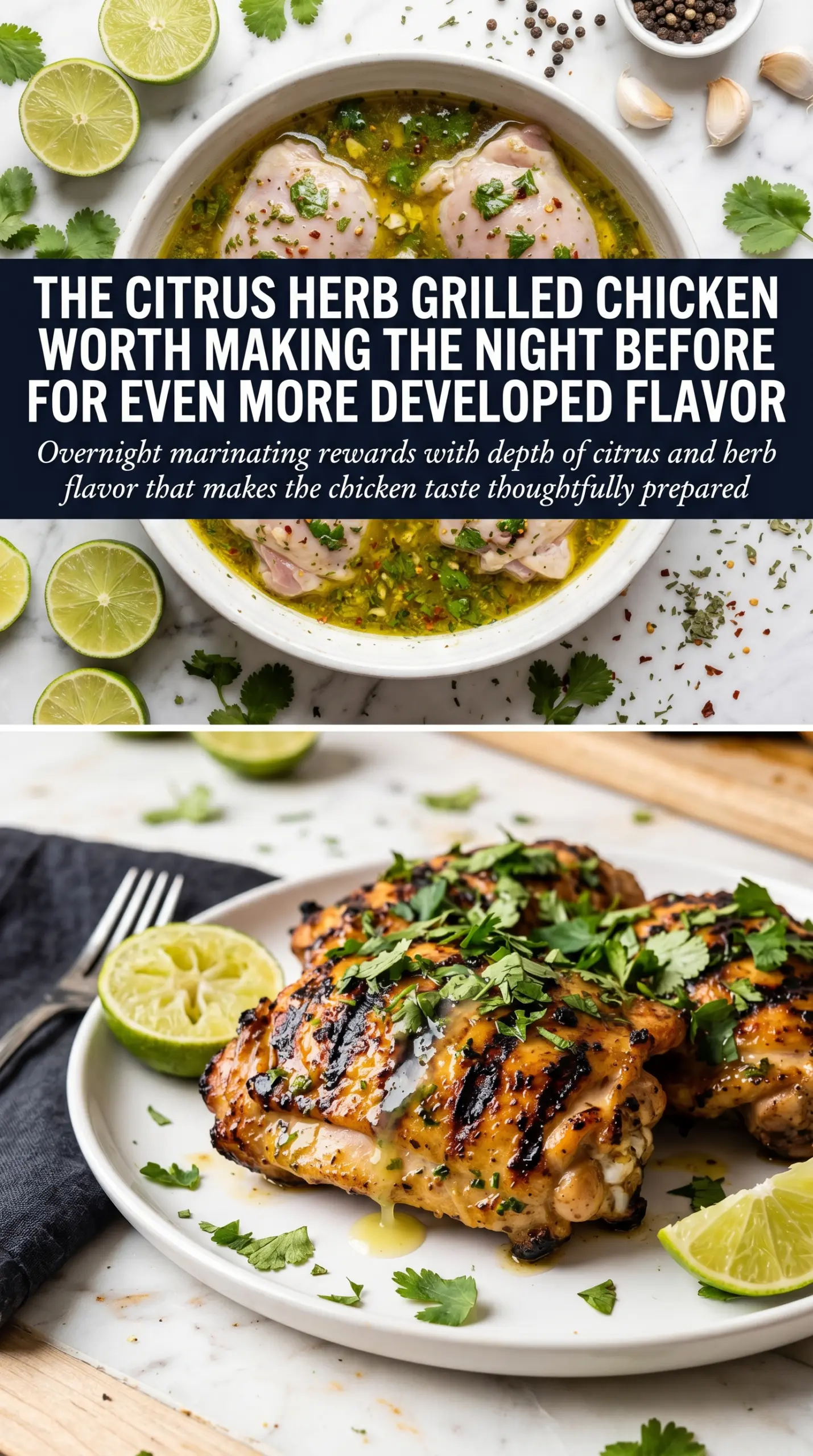
- Key lime juice — This is the backbone of the dish, giving it that bright, almost floral tartness that makes Key West chicken stand out. Regular lime juice works fine if that’s what you have, but Key lime is a little softer and more aromatic. Use fresh juice, not bottled, or the marinade can taste flat.
- Orange juice — Orange smooths out the lime and gives the chicken a gentle sweetness that helps it caramelize on the grill. Fresh juice is best here because it tastes cleaner and less sugary than concentrate. If you’re out of orange, tangerine or even pineapple juice can work, but pineapple will push the flavor more tropical and a little sharper.
- Honey — Honey helps the surface brown and gives the finished chicken a light glaze without needing a separate sauce. It also softens the acidity so the marinade tastes balanced instead of sour. Maple syrup can replace it in a pinch, but the flavor will drift away from the Florida-style profile.
- Olive oil — Oil helps carry the citrus and spices across the chicken and keeps the surface from drying out on the grill. Use a neutral-tasting olive oil or light olive oil if your extra-virgin oil is strong and peppery. The marinade should look loose and glossy, not thick or paste-like.
- Cumin and garlic — These two give the chicken warmth and depth so it doesn’t taste like plain citrus. Garlic should be minced fine so it disperses evenly; big pieces can scorch on the grill and turn bitter. The cumin stays gentle here, just enough to read savory underneath the lime.
Getting the Marinade, Fire, and Rest Time in the Right Order
Whisk the marinade until it looks glossy
Start by whisking the lime juice, orange juice, olive oil, garlic, honey, cumin, salt, and pepper until the honey is fully dissolved and the marinade looks uniform. If the honey sits in streaks at the bottom, it won’t coat the chicken evenly. The mixture should taste bright first and savory second, with enough balance that it makes you want another taste.
Let the chicken soak long enough to season, not soften
Two to six hours is the window that works best. Less than two hours and the chicken won’t pick up much of the citrus flavor; much longer than six and the acid can start changing the texture on the outside. Keep it chilled while it marinates, and turn the pieces once or twice if they’re not fully submerged.
Grill for color, then finish by temperature
Set the chicken over medium-high heat and leave it alone long enough to get good grill marks before flipping. If it sticks, it usually needs another minute; properly seared chicken releases more easily. Cook until the thickest part reaches 165°F, then pull it off right away so the juices stay where they belong.
Rest before serving so the juices settle
Give the chicken five minutes after it comes off the grill. That short rest keeps the juices from running out the second you cut in. Finish with cilantro and lime wedges, and if you want an extra burst of citrus, squeeze the wedges over the chicken just before serving.
Three Ways to Adjust This Chicken Without Losing the Key West Feel
Regular limes instead of Key limes
Use the same amount of regular lime juice if Key limes aren’t available. The chicken will still be bright and citrusy, just a little less floral and a touch sharper. If your limes are especially tart, add an extra teaspoon of honey to keep the balance in line.
Dairy-free and naturally gluten-free as written
This recipe already skips dairy and gluten, which makes it easy to serve a mixed crowd without changing the technique. Just check your honey if you’re cooking for someone who avoids it, and swap in maple syrup if needed. The flavor stays close, though the finish will be a little deeper and less sunny.
Make it on chicken breasts instead of pieces
Chicken breasts work, but they dry out faster than thighs or mixed pieces, so pound them to an even thickness and watch the grill closely. Pull them as soon as they hit 165°F and let them rest before slicing. You’ll get the same citrus flavor, but the margin for overcooking is smaller.
Storage and Reheating
- Refrigerator: Store leftovers in an airtight container for up to 4 days. The citrus flavor stays lively, though the grilled edges soften a little.
- Freezer: Cooked chicken freezes well for up to 2 months. Wrap it tightly or store it in freezer bags with as much air pressed out as possible, then thaw in the refrigerator overnight.
- Reheating: Warm it gently in a covered skillet over low heat with a splash of water or broth, or reheat in a 300°F oven until just hot. High heat dries out grilled chicken fast, especially after it’s already been marinated and cooked once.
Questions I Get Asked About This Recipe
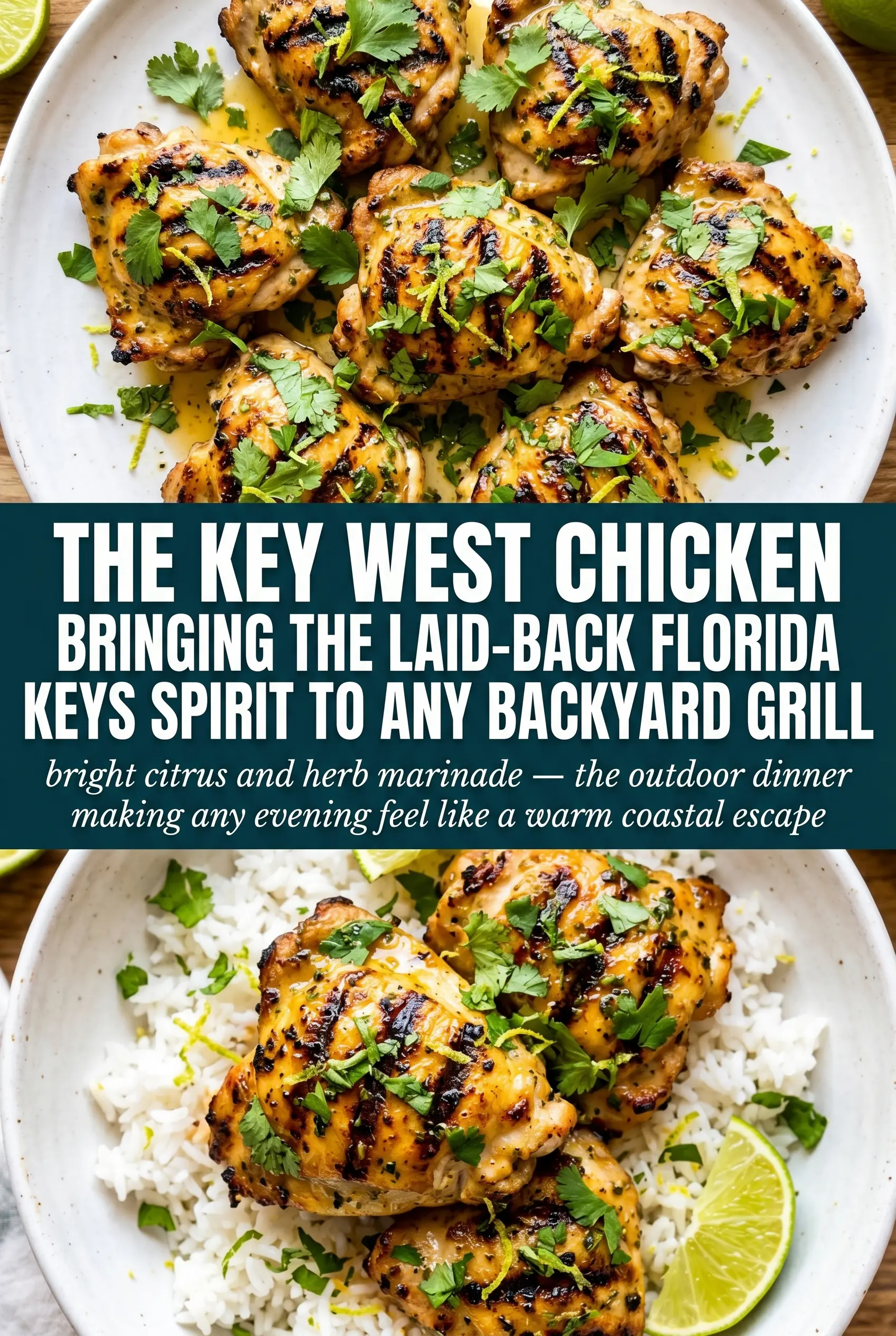
Key West Grilled Chicken
Ingredients
Equipment
Method
- Whisk together Key lime juice, orange juice, olive oil, minced garlic, honey, cumin, salt, and pepper until smooth and glossy.
- Add chicken pieces to the marinade and refrigerate for 2-6 hours, turning once if possible for even flavor.
- Grill chicken over medium-high heat until the thickest piece reaches 165°F, about 25 minutes total, with visible char developing on the surface.
- Let the grilled chicken rest for 5 minutes so juices settle, then garnish with fresh cilantro and lime wedges.