Bright, citrusy chicken with a chili-spice kick is one of those marinades that earns its place in the rotation fast. The lime and orange wake up the meat, the garlic and cumin give it backbone, and the olive oil keeps the surface from drying out on the grill. What you get is juicy chicken with deep seasoning all the way through, not just a flavored exterior.
The trick is balance. Too much lime for too long can make the chicken chalky on the outside, and too little oil can leave the spices looking dusty instead of clinging to the meat. This version keeps the acid in check and uses just enough fat to carry the spices and help the chicken brown instead of steaming. It works with breasts, thighs, or drumsticks, which makes it easy to use whatever you already have.
Below, I’ve included the small details that matter most: how long to marinate without going past the sweet spot, what to watch for on the grill, and a few smart swaps if you need to adjust the recipe for what’s in your kitchen.
The chicken came off the grill so juicy, and the lime-orange marinade gave it that bright taco flavor without overpowering the spices. I loved that the marinade actually clung to the meat instead of running off.
Like this Mexican chicken marinade? Save it for juicy taco chicken with lime, orange, and warm spices on a weeknight grill night.
The Marinade Works Because the Acid Stays in Balance
A lot of chicken marinades lean too hard on citrus. That sounds good until the chicken sits long enough for the acid to start tightening the outer layer before the heat even hits it. Here, the lime gives sharpness, the orange rounds it out, and the olive oil slows everything down just enough to keep the texture tender instead of stringy.
The other mistake people make is under-seasoning the marinade itself and expecting the grill to fix it later. It won’t. Salt in the marinade helps the chicken season all the way through, and the spices need time in the bag to bloom in the oil before they touch the heat.
- Lime juice — This is the backbone of the marinade, but it’s also the ingredient you can overdo fastest. Fresh lime gives the cleanest flavor, and bottled juice tends to taste flat. Keep the marinating window to the recommended range so the chicken stays supple.
- Orange juice — Orange softens the lime and helps the chicken brown better than lime alone. It doesn’t make the marinade taste sweet; it just keeps the citrus from turning harsh.
- Olive oil — This helps the spices cling and protects the chicken on the grill. A neutral oil works in a pinch, but olive oil adds a little more body and helps the marinade emulsify.
- Chili powder, cumin, paprika, and oregano — This is the flavor base that gives the chicken its taco-ready character. Don’t swap in a random all-purpose seasoning blend here; these spices each bring something specific, from warmth to smokiness to that familiar Mexican-style herb note.
- Chicken thighs — Thighs are the most forgiving choice if you want maximum juiciness. Breasts work fine, but they need close attention on the grill because they dry out faster if you cook them past 165°F.
What Each Ingredient Is Actually Doing in This Mexican Chicken
- Acid (vinegar, lemon, or lime juice) — The acid tenderizes the protein gently. It also adds brightness and prevents the marinade from tasting flat.
- Oil (carrying flavor and protecting) — Oil coats the protein and prevents drying. It helps the marinade adhere and penetrate evenly.
- Salt (seasoning and moisture retention) — Salt seasons the protein and helps it retain juices. Apply directly before cooking for best results.
- Spices and aromatics (garlic, onion, herbs) — These add complexity and depth. They should be minced fine for quick penetration.
- Heat (if using warm spices) — Warm spices like cumin and coriander add earthiness. Toast them briefly before mixing for deeper flavor.
- Resting time (varies by marinade strength) — Weak marinades need 2+ hours; strong marinades (with lots of acid) need 30 minutes to 1 hour. Marinate longer and the protein becomes mushy.
- Cold storage (essential for food safety) — Marinades work best in the refrigerator. Room temperature marinades over-tenderize quickly.
- Pat dry before cooking — Excess marinade on the surface burns. Dry the protein so it can develop a good crust.
Getting the Chicken to Grill Without Losing the Marinade
Mix the Marinade Until It Looks Even
Whisk the citrus, oil, garlic, and spices until the oil is no longer sitting in a separate layer on top. The mixture should look cloudy and evenly speckled, not patchy. If the spices are clumping at the bottom of the bowl, they won’t coat the chicken evenly and you’ll get uneven flavor.
Let the Chicken Sit in the Bag, Not in a Bowl
A zip-top bag lets the marinade cover more surface area with less liquid. Press out as much air as you can so the chicken stays in contact with the marinade, then turn the bag once or twice while it chills. Two hours is enough for flavor; much past eight hours and the citrus starts working against the texture.
Grill Hot Enough to Mark, Not Char
Preheat the grill to medium-high and lay the chicken down only when the grates are fully hot. You want clear grill marks and a sizzle on contact, not a slow pale cook that dries the meat before it browns. For breasts, start checking early; the safest chicken is 165°F in the thickest part, and pulling it off at that point keeps it juicy.
Rest Before You Slice
Let the chicken sit for five minutes before serving so the juices settle back into the meat. If you cut it immediately, the juices spill out onto the board and the slices turn dry. A short rest makes a bigger difference than almost anything else in this recipe.
How to Adapt the Marinade When You Need a Different Outcome
Use thighs for the juiciest taco chicken
Thighs handle the citrus marinade better than breasts and stay tender even if they pick up a little extra grill time. They also taste richer, which helps if you’re serving the chicken plain with rice, beans, or tortillas.
Make it dairy-free and gluten-free without changing a thing
This marinade is naturally both, as long as your chili powder and spices are pure and don’t contain anti-caking additives or hidden fillers. That makes it an easy option for mixed-diet dinners because nobody gets a second-rate version.
Turn up the heat without breaking the balance
Add a pinch of cayenne or minced chipotle in adobo if you want more heat. Keep the citrus the same, though, so the chicken still tastes bright instead of just spicy.
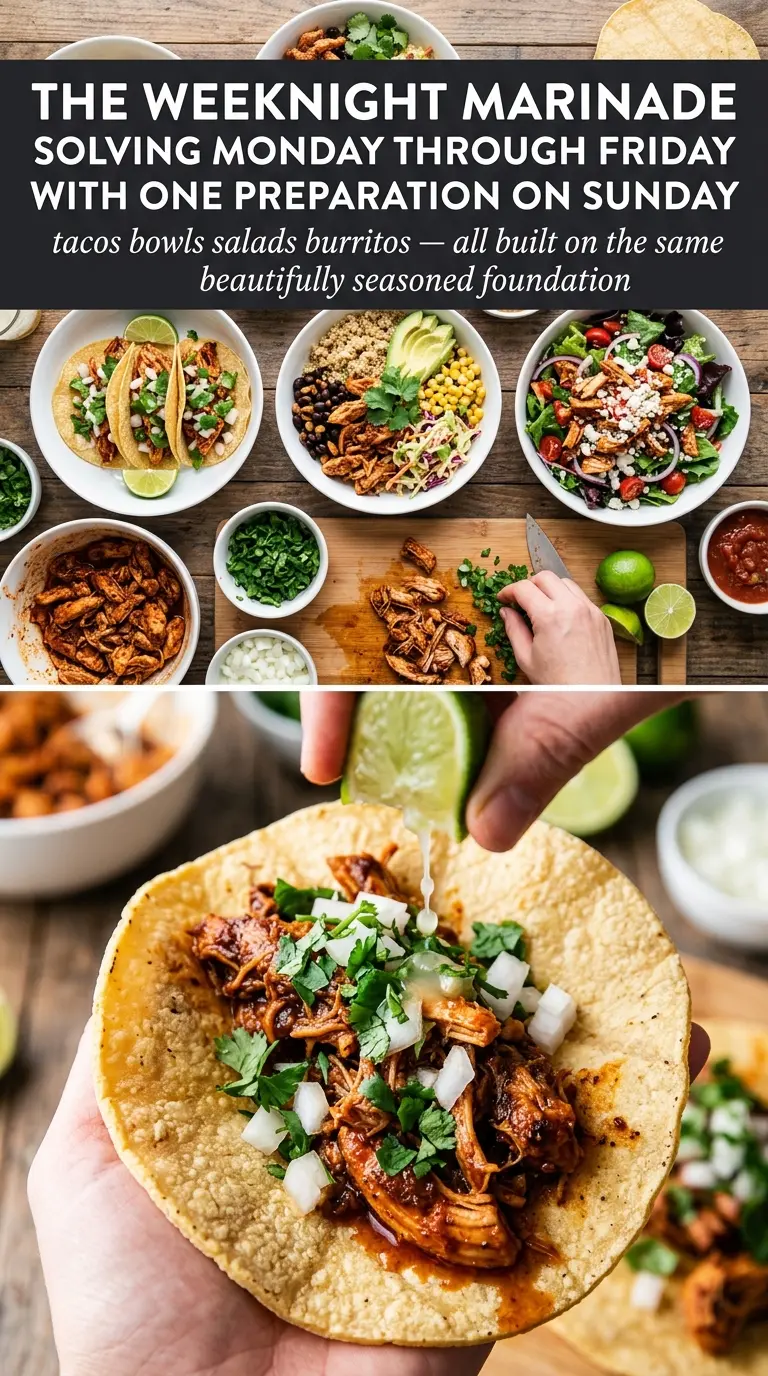
Use the marinade for tacos, bowls, or salads
Slice the cooked chicken and use it for tacos, grain bowls, or chopped salads. If you’re planning to repurpose it, pull the chicken a minute early and let carryover heat finish the job so the slices stay juicy.
Storage and Reheating
- Refrigerator: Store cooked chicken in an airtight container for up to 4 days. It stays moist, though the citrus flavor softens a little by day two.
- Freezer: Freeze cooked chicken for up to 2 months. Slice or shred it first for easier thawing, then wrap tightly so it doesn’t pick up freezer flavor.
- Reheating: Reheat gently in a skillet with a splash of water or broth over low heat, or warm it covered in the oven. High heat dries out grilled chicken fast, especially breast meat, so keep the temp low and stop as soon as it’s hot through.
Questions I Get Asked About This Recipe

Mexican Chicken Marinade
Ingredients
Method
- Whisk together lime juice, orange juice, olive oil, minced garlic, chili powder, cumin, paprika, oregano, salt, and pepper until combined.
- Place chicken in a large zip-top bag and pour the marinade over the chicken, ensuring it’s well coated.
- Marinate in the refrigerator for 2-8 hours, turning the bag occasionally.
- Preheat grill to medium-high heat.
- Grill chicken until internal temperature reaches 165°F, about 6-8 minutes per side for breasts.
- Let chicken rest for 5 minutes before serving with fresh cilantro and lime wedges.